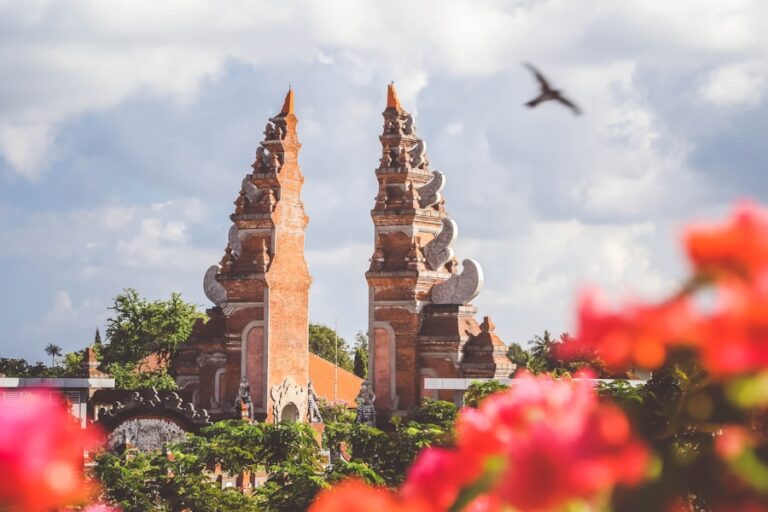
Balinese architecture is a unique and distinctive style that has evolved over centuries on the Indonesian island of Bali. Known for its intricate carvings, vibrant colors, and harmonious integration with nature, Balinese architecture is a reflection of the island’s rich cultural heritage and spiritual traditions. The architecture of Bali is deeply rooted in Hindu beliefs and is characterized by its use of traditional materials such as wood, stone, and thatch. The island’s tropical climate and lush landscape have also played a significant role in shaping the architectural style, with open-air pavilions, courtyards, and gardens being common features of Balinese buildings.
The design of Balinese architecture is also influenced by the concept of “Tri Hita Karana,” which emphasizes the importance of maintaining harmony and balance between humans, nature, and the spiritual world. This philosophy is reflected in the layout and orientation of Balinese buildings, as well as in the use of sacred symbols and rituals in their construction. Balinese architecture has gained international recognition for its beauty and cultural significance, and has become a source of inspiration for architects, designers, and travelers around the world.
Traditional Balinese Architectural Elements
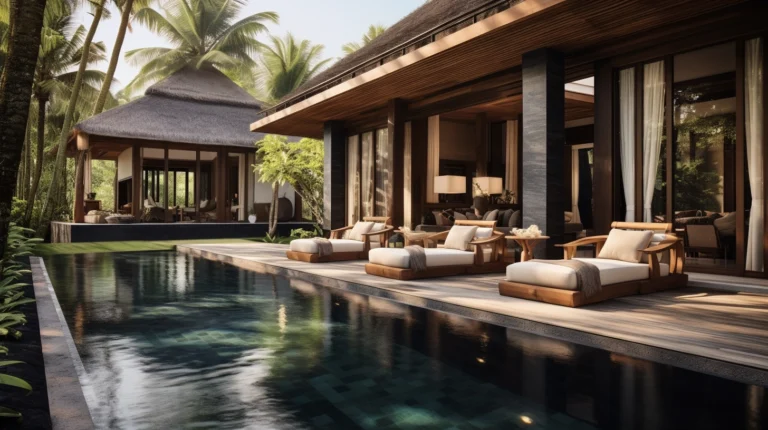
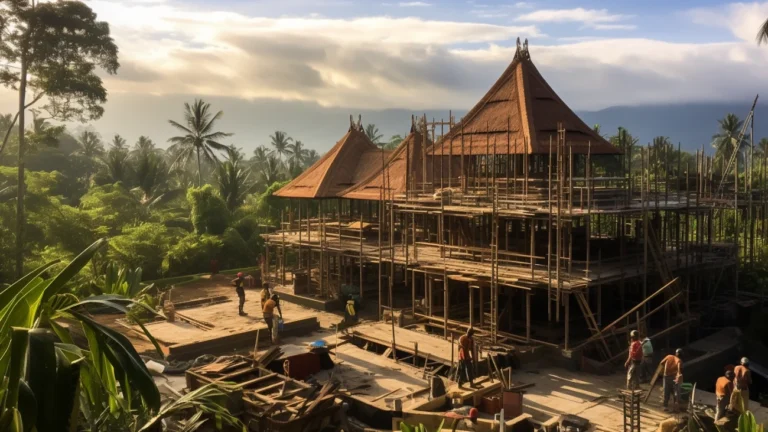
Traditional Balinese architecture is characterized by several key elements that are integral to the island’s cultural identity. One of the most prominent features of Balinese buildings is their intricate carvings, which adorn everything from doorways and windows to pillars and ceilings. These carvings often depict scenes from Hindu mythology, as well as symbols of protection and prosperity. Another defining characteristic of Balinese architecture is its use of thatched roofs, which are typically made from palm leaves or grasses. These roofs are designed to withstand the island’s tropical climate, providing shade and ventilation while also blending seamlessly with the natural surroundings.
Balinese buildings are also known for their open-air design, with many structures featuring courtyards, pavilions, and verandas that allow for natural light and ventilation. The use of water features such as ponds, fountains, and pools is also common in Balinese architecture, serving both practical and aesthetic purposes. These elements are often arranged in a symmetrical layout, creating a sense of balance and harmony that is central to the Balinese design philosophy. Additionally, traditional Balinese buildings are often adorned with colorful textiles, intricate woodwork, and ornate decorations that reflect the island’s vibrant artistic traditions.
Influences and Inspirations in Balinese Architecture
The architectural style of Bali has been shaped by a variety of influences and inspirations, including Hindu mythology, Javanese and Chinese design elements, and colonial-era European architecture. The island’s long history of trade and cultural exchange has also contributed to the diversity of its architectural traditions, with influences from India, Southeast Asia, and beyond being evident in the design of Balinese buildings. One of the most significant influences on Balinese architecture is the Hindu religion, which has played a central role in shaping the island’s cultural identity for over a millennium.
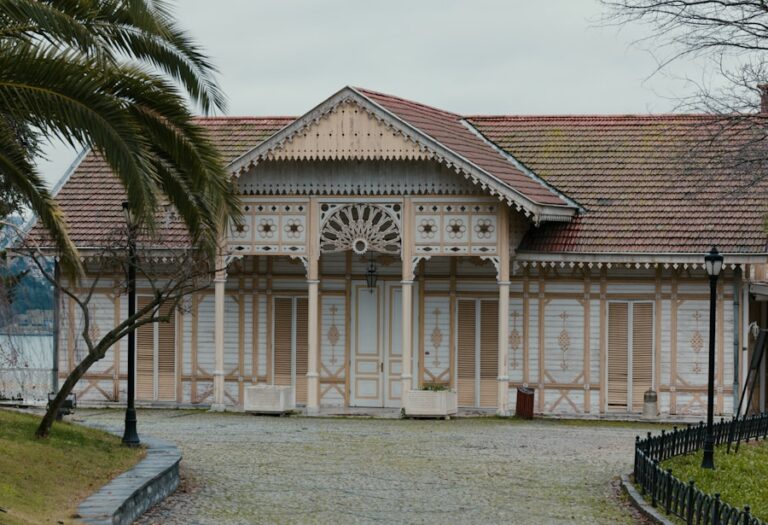
The concept of “Tri Hita Karana,” which emphasizes the interconnectedness of humans, nature, and the spiritual world, has had a profound impact on the design of Balinese buildings. This philosophy is reflected in the use of sacred symbols, rituals, and spatial arrangements that are intended to create a sense of harmony and balance within the built environment. Additionally, the island’s tropical climate and lush landscape have inspired the use of natural materials such as wood, stone, and thatch in Balinese architecture, as well as the integration of open-air spaces and water features into building designs. The influence of colonial-era European architecture can also be seen in some of Bali’s historic buildings, particularly in the use of ornate decorations, symmetrical layouts, and grand entrances.
Modern Interpretations of Balinese Architecture
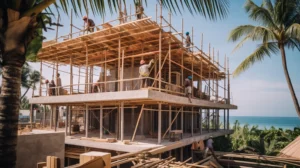
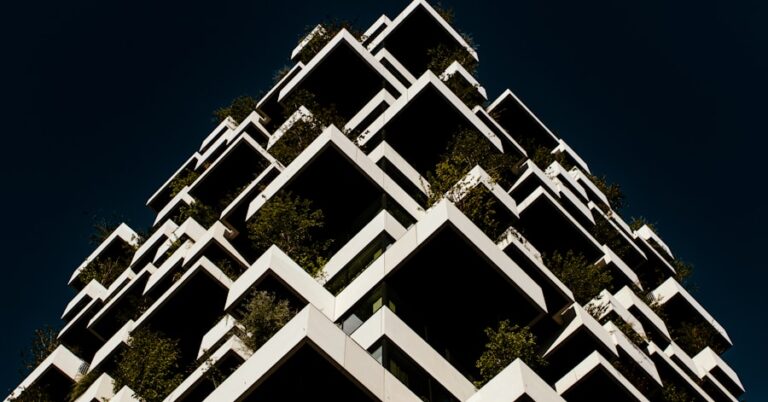
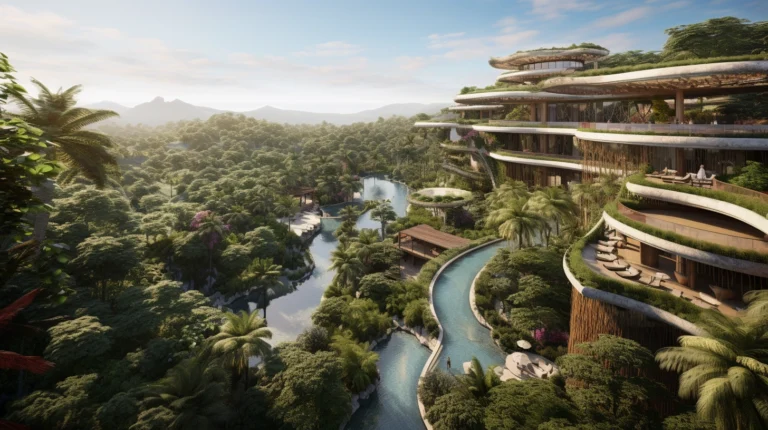
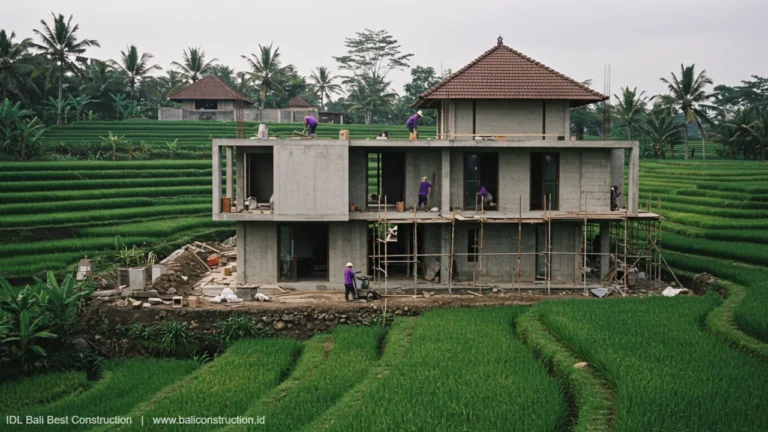
In recent years, there has been a growing interest in modern interpretations of Balinese architecture that seek to preserve its traditional elements while also incorporating contemporary design principles. Architects and designers have been exploring innovative ways to adapt Balinese architectural styles to meet the needs of modern living, while still honoring the island’s cultural heritage. One approach to modernizing Balinese architecture has been to incorporate sustainable building practices and eco-friendly materials into new construction projects. This includes using locally-sourced materials, implementing energy-efficient design strategies, and integrating green technologies such as solar panels and rainwater harvesting systems.
Another trend in modern Balinese architecture is the fusion of traditional design elements with contemporary aesthetics, resulting in buildings that are both visually striking and culturally authentic. This approach often involves reinterpreting traditional forms and motifs in a more minimalist or abstract manner, while still maintaining their symbolic significance. Additionally, there has been a growing interest in adapting Balinese architectural styles to suit different types of buildings, such as hotels, resorts, and private residences. This has led to the development of new design concepts that blend traditional Balinese elements with modern amenities and luxury features, creating a unique fusion of old and new.
Balinese Architecture in Interior Design
The influence of Balinese architecture extends beyond building exteriors to interior spaces, where it has inspired a distinct style of interior design that is characterized by its use of natural materials, rich textures, and vibrant colors. Traditional Balinese interiors often feature handcrafted furniture made from local woods such as teak and mahogany, as well as intricately woven textiles and decorative items. These elements are combined with earthy tones, bold patterns, and ornate details to create a warm and inviting atmosphere that reflects the island’s cultural heritage.
In contemporary interior design, Balinese influences can be seen in the use of traditional motifs, such as lotus flowers, dragons, and mythical creatures, as well as in the incorporation of natural elements such as stone carvings, wooden sculptures, and tropical plants. The concept of “Tri Hita Karana” is also reflected in the layout and organization of interior spaces, with an emphasis on creating a sense of balance and harmony between different elements. Additionally, the use of open-air living areas, water features, and natural light is a common feature in modern Balinese-inspired interiors, creating a seamless connection between indoor and outdoor spaces.
Sustainability and Balinese Architecture
Sustainability has become an increasingly important consideration in the design and construction of Balinese buildings, as architects and builders seek to minimize their impact on the environment while preserving the island’s cultural heritage. One way that sustainability is being integrated into Balinese architecture is through the use of locally-sourced materials that are renewable and environmentally friendly. This includes using bamboo for structural elements, coconut palm for thatched roofs, and reclaimed wood for interior finishes. By utilizing these materials, architects are able to reduce their reliance on non-renewable resources while also supporting local artisans and craftsmen.
Another aspect of sustainable Balinese architecture is the incorporation of passive design strategies that take advantage of the island’s tropical climate to reduce energy consumption. This includes designing buildings with natural ventilation systems, shading devices, and thermal mass to minimize the need for artificial heating or cooling. Additionally, there has been a growing interest in integrating green technologies such as solar panels, rainwater harvesting systems, and wastewater treatment facilities into new construction projects in Bali. These initiatives not only help to reduce the environmental impact of buildings but also contribute to the overall resilience and sustainability of the island’s built environment.
Experiencing Balinese Architecture: Travel and Design Inspiration
For travelers and design enthusiasts alike, experiencing Balinese architecture firsthand can be an inspiring and transformative experience. The island is home to a wealth of historic temples, palaces, and traditional villages that showcase the beauty and diversity of Balinese architectural styles. Visitors can explore ancient sites such as Pura Besakih, Tanah Lot Temple, and Tirta Empul Temple to gain insight into the island’s rich cultural heritage and spiritual traditions. Additionally, there are numerous museums and art galleries in Bali that feature exhibitions on traditional architecture and contemporary design trends.
In recent years, there has been a growing interest in immersive travel experiences that allow visitors to engage with local communities and learn about traditional building techniques from skilled craftsmen. Many tour operators offer guided tours of traditional villages where visitors can observe artisans at work creating intricate wood carvings, weaving textiles, or constructing traditional buildings using age-old methods. These experiences provide a unique opportunity to gain a deeper understanding of Balinese architecture and its cultural significance while also supporting local artisans and preserving traditional craftsmanship.
For designers and architects seeking inspiration from Balinese architecture, there are numerous opportunities to study the island’s unique design elements and incorporate them into their own projects. Many luxury resorts and private villas in Bali have been designed with a strong emphasis on traditional Balinese architectural styles, offering a wealth of examples for those looking to integrate these elements into their own designs. Additionally, there are several international design firms based in Bali that specialize in creating contemporary interpretations of Balinese architecture for residential, commercial, and hospitality projects around the world.
In conclusion, Balinese architecture is a rich and diverse design tradition that reflects the island’s cultural heritage, spiritual beliefs, and natural environment. Its unique blend of traditional elements with modern innovations has made it an enduring source of inspiration for architects, designers, travelers around the world. By embracing sustainable practices and preserving traditional craftsmanship, Balinese architecture continues to evolve while maintaining its cultural authenticity. Whether experiencing it through travel or incorporating its elements into interior design projects, Balinese architecture offers a timeless source of beauty and inspiration for those who seek to connect with its rich cultural legacy.