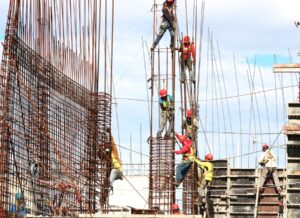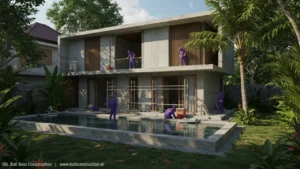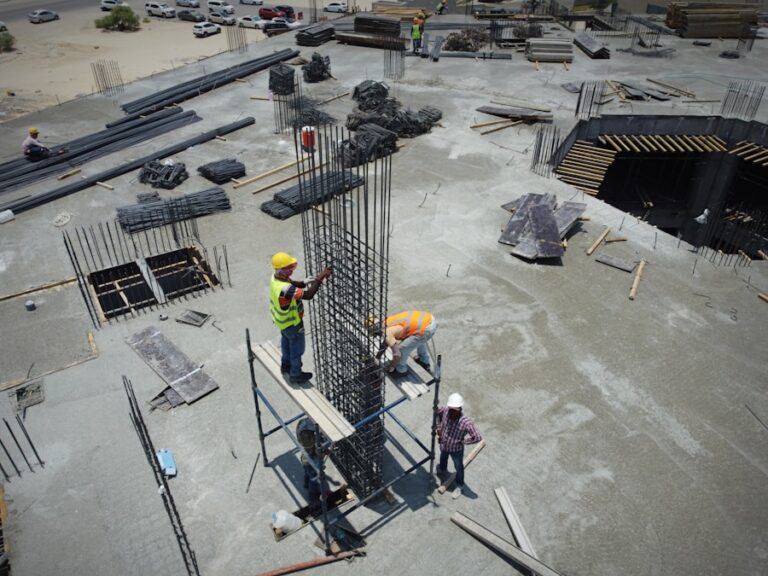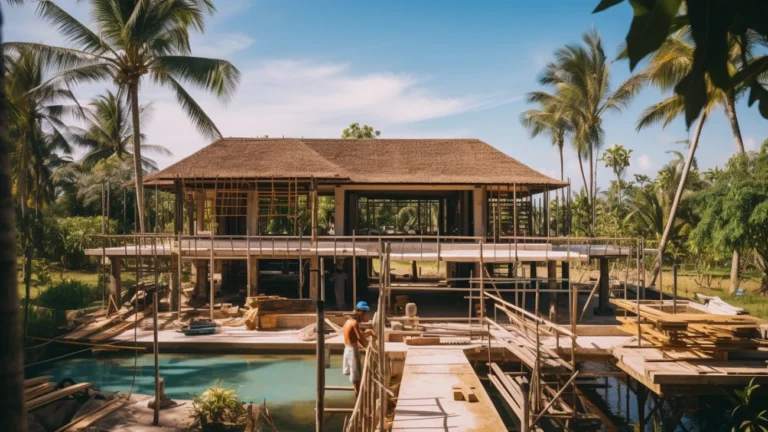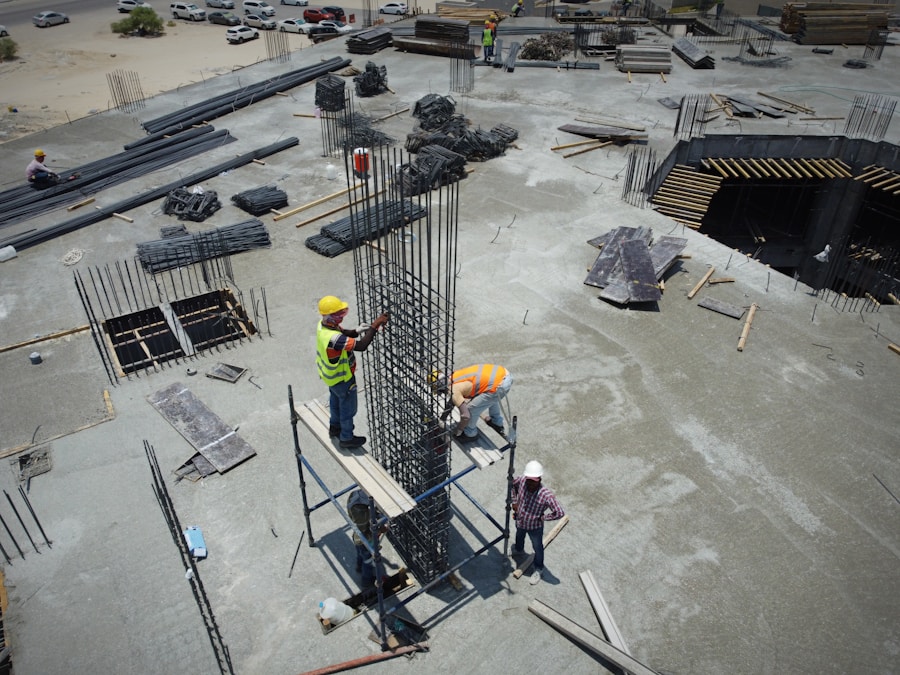
When embarking on a construction project in Bali, it is crucial to understand the potential hazards and risks that may arise. Bali’s unique geographical location and climate can pose challenges for construction, including the risk of natural disasters such as earthquakes, volcanic eruptions, and tsunamis. Additionally, the tropical climate in Bali can lead to issues such as corrosion, mold, and decay in building materials if not properly addressed. Furthermore, the rapid development and urbanization in Bali may result in logistical challenges, including traffic congestion and limited access to construction sites. It is essential for construction project managers to conduct a thorough risk assessment to identify and mitigate these potential hazards, ensuring the safety and success of the project.
In addition to natural and environmental risks, construction projects in Bali may also face challenges related to labor and workforce. The availability of skilled labor, as well as the potential for labor disputes and strikes, can impact the progress and cost of construction projects. Furthermore, compliance with local building codes and regulations is essential to avoid legal and financial risks. By understanding these potential hazards, construction project managers can proactively address them through proper planning, risk management strategies, and insurance coverage.
Choosing the Right Insurance: Navigating the Options for Construction Projects in Bali
Navigating the options for construction insurance in Bali can be a complex task, given the unique risks and challenges associated with construction projects in the region. Construction insurance typically includes coverage for property damage, liability, and worker injuries, among other potential risks. When choosing the right insurance for a construction project in Bali, it is important to consider the specific needs and requirements of the project, as well as the local regulations and industry standards. There are various types of insurance policies available for construction projects, including builder’s risk insurance, general liability insurance, professional liability insurance, and workers’ compensation insurance.
Builder’s risk insurance, also known as course of construction insurance, provides coverage for damage to the building under construction, as well as materials and equipment on-site. General liability insurance protects against third-party claims for bodily injury or property damage caused by the construction project. Professional liability insurance, also known as errors and omissions insurance, provides coverage for design professionals against claims of negligence or errors in their professional services. Workers’ compensation insurance is essential for providing coverage for employee injuries and illnesses that may occur on the job site. By understanding the options available and working with an experienced insurance broker or agent, construction project managers can navigate the complexities of construction insurance in Bali and choose the right coverage for their specific project needs.
Ensuring Adequate Coverage: Determining the Amount of Insurance Needed for Your Project
Determining the amount of insurance needed for a construction project in Bali requires careful consideration of various factors, including the size and scope of the project, the potential risks and hazards involved, as well as the local regulations and industry standards. Adequate insurance coverage is essential to protect against potential financial losses resulting from property damage, bodily injury, or legal claims. When determining the amount of insurance needed for a construction project in Bali, it is important to assess the value of the property under construction, including materials, equipment, and labor costs. Additionally, consideration should be given to potential liabilities and legal risks associated with the project.
In Bali, where natural disasters such as earthquakes and volcanic eruptions are a significant risk, it is crucial to ensure that construction insurance provides adequate coverage for property damage resulting from these events. Furthermore, liability coverage should be sufficient to protect against potential legal claims arising from third-party injuries or property damage related to the construction project. Working with an experienced insurance professional can help construction project managers assess their insurance needs and determine the appropriate amount of coverage to adequately protect their project.
Compliance and Regulation: Understanding Bali’s Construction Insurance Requirements
Compliance with local regulations and industry standards is essential when obtaining construction insurance in Bali. Understanding Bali’s construction insurance requirements is crucial to ensure that construction projects are adequately protected and legally compliant. In Bali, construction projects are subject to various regulations and building codes that may impact insurance requirements. For example, certain types of construction projects may be required to carry specific types of insurance coverage, such as builder’s risk insurance or professional liability insurance.
Additionally, compliance with local labor laws and regulations is essential to ensure that workers’ compensation insurance is provided for all employees working on the construction project. Failure to comply with these requirements can result in legal penalties and financial liabilities for construction project managers. By working with an experienced insurance professional who understands Bali’s construction insurance requirements, project managers can ensure that their projects are compliant with local regulations and adequately protected against potential risks.
Mitigating Liability: Protecting Your Project from Legal and Financial Risks
Mitigating liability is a critical aspect of protecting a construction project in Bali from legal and financial risks. Construction projects are inherently exposed to various liabilities, including third-party claims for bodily injury or property damage, as well as potential legal disputes related to design errors or construction defects. To protect against these risks, construction project managers must implement risk management strategies and obtain appropriate insurance coverage.
General liability insurance provides coverage for third-party claims for bodily injury or property damage caused by the construction project. Professional liability insurance is essential for design professionals to protect against claims of negligence or errors in their professional services. Additionally, surety bonds may be required for certain construction projects to provide financial protection in the event of contractor default or non-compliance with contractual obligations. By proactively addressing potential liabilities through risk management strategies and comprehensive insurance coverage, construction project managers can protect their projects from legal and financial risks in Bali.
Project-Specific Considerations: Tailoring Insurance to the Unique Needs of Your Bali Construction Project
Each construction project in Bali has unique needs and requirements that must be considered when tailoring insurance coverage. Factors such as the size and scope of the project, the type of construction involved, and the specific risks and hazards present must be taken into account when selecting insurance coverage. For example, a large-scale commercial development may require different types of insurance coverage compared to a residential renovation project.
Additionally, consideration should be given to the specific risks associated with construction in Bali, such as natural disasters, labor challenges, and compliance with local regulations. Tailoring insurance coverage to address these unique needs is essential to ensure that the project is adequately protected against potential risks. Working with an experienced insurance professional who understands the complexities of construction in Bali can help project managers identify their specific insurance needs and obtain tailored coverage that meets their project requirements.
Long-Term Protection: Planning for Maintenance and Warranty Coverage After Construction Completion
Long-term protection is essential for ensuring the ongoing success and durability of a construction project in Bali. Planning for maintenance and warranty coverage after construction completion is crucial to address potential issues that may arise after the project is finished. Maintenance coverage can provide protection against defects or issues that may arise due to normal wear and tear or improper maintenance practices. Additionally, warranty coverage from contractors or suppliers can provide financial protection in the event of material or workmanship defects.
By planning for long-term protection through maintenance and warranty coverage, construction project managers can ensure that their projects remain safe, functional, and compliant with industry standards over time. Working with reputable contractors and suppliers who offer comprehensive warranty coverage can provide peace of mind and financial protection for construction projects in Bali. Additionally, ongoing maintenance practices and regular inspections can help identify and address potential issues before they escalate into larger problems. By proactively planning for long-term protection, construction project managers can safeguard their investments and ensure the ongoing success of their projects in Bali.