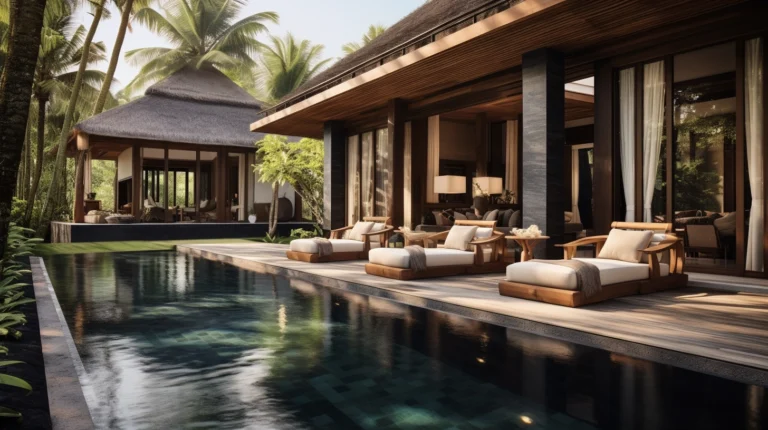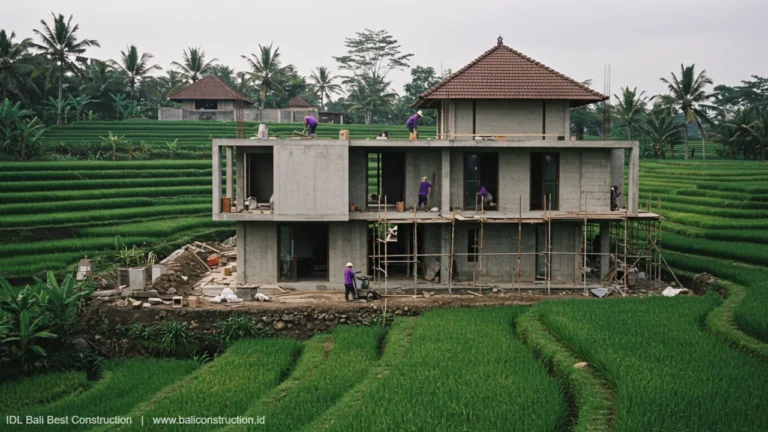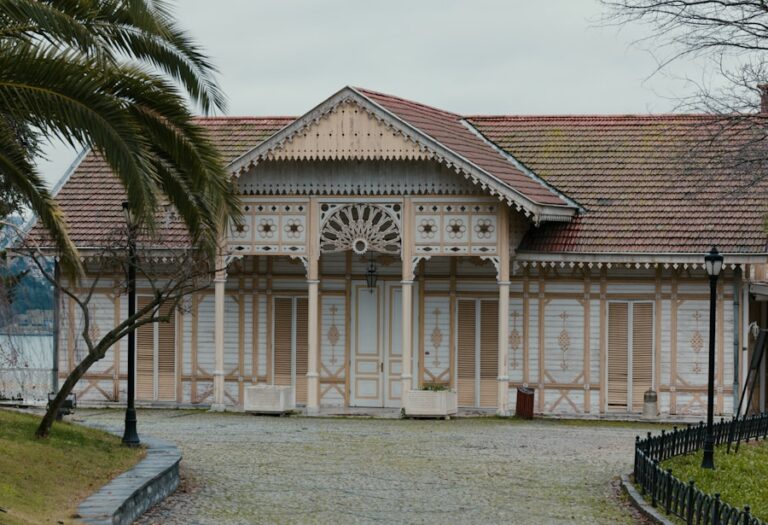
In the realm of tropical architecture, creating a home in Bali presents specific opportunities and challenges. This article outlines key considerations for designing a residence optimized for the island’s climate and cultural context, aiming for a harmonious integration of structure and environment.
Understanding the Balinese Context
Climate Considerations
Bali’s climate is characterized by high temperatures and humidity year-round, with distinct wet and dry seasons. Rainfall is substantial, and solar radiation is intense. These factors necessitate design strategies that prioritize natural ventilation, solar shading, and moisture management.
- Average Temperatures: Consistent highs between 27°C and 32°C.
- Humidity Levels: Frequently exceeding 80%.
- Rainfall: Annual averages can exceed 2,000 mm, concentrated during the wet season (October to April).
- Solar Path: The sun’s trajectory is consistently high, requiring comprehensive overhead and horizontal shading.
Cultural Influences and Aesthetics
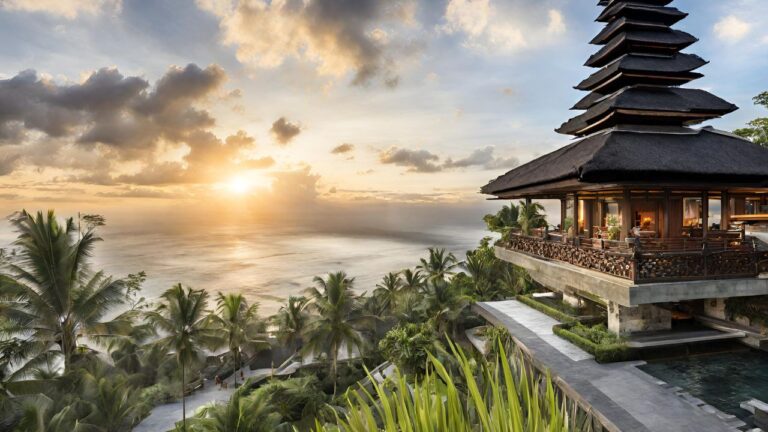
Balinese architecture is deeply rooted in Hindu philosophy and local traditions. The concept of Asta Kosala Kosali, an ancient system of spatial planning and proportion, guides traditional building practices. This often manifests in multi-pavilion layouts, open-air living spaces, and the integration of natural materials.
- Asta Kosala Kosali: Principles for sacred and functional space arrangement, emphasizing harmony with nature and cosmic order.
- Compound Layouts: Traditional Balinese homes often consist of several individual pavilions (e.g., sleeping quarters, kitchen, communal areas) around a central courtyard. This open-plan arrangement fosters natural air circulation.
- Spiritual Integration: Shrines and specific orientations are common, reflecting the spiritual dimension of daily life.
Local Materials and Construction Practices
The availability of local materials influences construction. Timber, bamboo, and natural stone are common, often used with traditional techniques. Contemporary designs frequently blend these with modern materials for durability and structural integrity.
- Timber: Teak, ironwood, and local coconut timber are durable options for structural elements, decking, and decorative finishes.
- Stone: River stones, volcanic rock (e.g., grey lava stone, paras stone), and sandstone are used for walls, paving, and landscaping.
- Bamboo: A sustainable and flexible material used for roofing, screens, and intricate decorative elements.
- Thatch/Alang-Alang: Traditional roofing materials that provide excellent insulation but require regular maintenance.
- Modern Alternatives: Concrete, steel, and glass are increasingly integrated, offering enhanced structural resilience and aesthetic possibilities.
Architectural Design Principles
Maximizing Natural Ventilation
In a equatorial climate, mechanical air conditioning can be energy-intensive. Prioritizing natural ventilation is fundamental for comfort and sustainability.
- Cross Ventilation: Strategic placement of openings (windows, doors) on opposing walls facilitates airflow through occupied spaces. Orienting buildings to prevailing winds is crucial.
- Stack Effect: Utilizing differences in air pressure and temperature. High ceilings and roof vents allow hot air to rise and escape, drawing in cooler air at lower levels.
- Perforated Screens and Louvers: These elements permit air passage while providing privacy and sun protection. Timber, bamboo, or metal screens can be employed.
- Open-Plan Living: Minimizing internal walls and partitions allows air to circulate more freely throughout the home.
Solar Shading and Glare Control
Direct solar radiation can significantly increase indoor temperatures. Effective shading is indispensable.
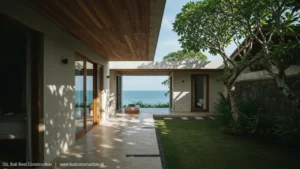
- Deep Overhangs: Extended roof eaves protect walls and windows from direct sun exposure, especially during midday.
- Verandas and Patios: These transitional spaces provide shaded outdoor living areas and act as a buffer between the interior and direct sun.
- Vertical Louvers and Screens: Adjustable or fixed elements on facades can block low-angle sun while maintaining views.
- Vegetation: Trees and climbing plants strategically positioned can offer significant shade and reduce ambient temperatures.
Rainwater Management
Bali experiences heavy rainfall. Effective management of water runoff is necessary to prevent erosion, structural damage, and mosquito breeding.
- Sloped Roofs: Traditional Balinese roofs are steeply pitched to allow rapid water runoff.
- Generous Gutters and Downspouts: Sizing these components adequately is vital.
- Rainwater Harvesting: Collecting rainwater for irrigation or non-potable uses can be an eco-conscious practice.
- Porous Surfaces: Minimizing impervious paving allows rainwater to permeate the ground, reducing surface runoff.
Integrating Landscape and Water Features
Tropical Landscaping for Function and Aesthetics
Landscaping in Bali is more than decoration; it is an integral component of climate control and spatial experience.
- Shade Trees: Planting strategically to shade buildings and outdoor areas.
- Dense Foliage: Use of lush planting to create a microclimate that cools the surrounding air through evapotranspiration.
- Privacy Screening: Employing hedges and tall plants to define boundaries and obscure views.
- Local Flora: Utilizing indigenous plants that are well-adapted to the climate, requiring less water and maintenance.
Water Features and Cooling
The presence of water can have a noticeable cooling effect and contribute to the sensory experience.
- Ponds and Reflecting Pools: These can slightly lower ambient temperatures through evaporation.
- Waterfalls and Fountains: The sound of moving water adds a calming auditory element.
- Swimming Pools: Beyond recreation, pools create a microclimate and offer a sensory escape from the heat. Strategic placement can contribute to airflow.
Material Selection and Finishes
Durability and Weather Resistance
Materials in a tropical environment must withstand constant humidity, intense UV radiation, and potential insect infestation.
- Rot-Resistant Timbers: Teak and ironwood are naturally resistant to rot and termites.
- Natural Stone: Durable and requires minimal maintenance, suitable for flooring, walls, and landscaping.
- High-Quality Paints and Sealants: Necessary to protect surfaces from moisture and UV degradation.
- Corrosion-Resistant Metals: Stainless steel or aluminum for external hardware and structural components to prevent rust.
Aesthetic and Sensory Qualities
The choice of materials contributes significantly to the home’s aesthetic and tactile experience.
- Textural Variety: Combining smooth stone, rough timber, and woven elements creates a rich sensory palette.
- Warm Tones: Earthy hues and natural material colors often harmonize with the Balinese landscape.
- Cool Surfaces: Stone and polished concrete can feel cooler underfoot compared to timber or carpet.
Sustainable Choices
Prioritizing sustainable materials and practices reduces environmental impact.
- Locally Sourced Materials: Minimizes transportation costs and supports local industries.
- Renewable Resources: Bamboo and sustainably harvested timber are examples.
- Recycled Materials: Incorporating recycled elements where appropriate.
- Energy-Efficient Appliances: Reducing the home’s operational energy consumption.
Interior Design for Tropical Living
Openness and Flow
Interior spaces should blur the lines between indoors and outdoors, reflecting the Balinese concept of open living.
- Large Openings: Wide sliding doors and bi-fold doors create expansive connections to outdoor areas.
- Minimalist Furniture: Less clutter facilitates airflow and visual spaciousness.
- Natural Light: Maximizing daylight reduces the need for artificial lighting during the day.
Furniture and Fabrics
The tropical climate dictates specific considerations for furniture and fabrics.
- Water-Resistant and UV-Resistant Materials: Essential for outdoor and semi-outdoor furniture. Wicker, synthetic rattan, and certain treated timbers are suitable.
- Breathable Fabrics: Cotton, linen, and other natural fibers for upholstery and soft furnishings promote comfort.
- Minimal Upholstery: Reduces absorption of moisture and facilitates quicker drying.
- Light Colors: Reflect heat and contribute to a sense of airiness.
Lighting Design
Effective lighting balances functionality with ambiance.
- Natural Light Integration: Emphasized during daylight hours through strategic window and door placement.
- Layered Artificial Lighting: A combination of ambient, task, and accent lighting.
- Warm Color Temperatures: Creates an inviting and tropical atmosphere. LEDs are energy-efficient and offer various color temperatures.
- Outdoor Lighting: Illuminating pathways, landscaping, and outdoor living areas for safety and aesthetic appeal.
Sustainable Practices and Smart Home Integration
Energy Efficiency
Designing for energy efficiency reduces operational costs and environmental footprint.
- Passive Design Strategies: As discussed, prioritizing natural ventilation and shading reduces reliance on air conditioning.
- LED Lighting: Significantly more energy-efficient than traditional incandescent bulbs.
- Solar Water Heaters: Utilize abundant sunshine to heat water.
- High-Efficiency Appliances: Selecting star-rated refrigerators, washing machines, and other appliances.
Water Conservation
Given Bali’s water resource challenges, conservation is a responsible practice.
- Rainwater Harvesting Systems: Collecting and storing rainwater for irrigation or non-potable uses.
- Greywater Recycling: Treating and reusing wastewater from sinks and showers for irrigation.
- Low-Flow Fixtures: Water-efficient showerheads, toilets, and faucets.
- Drought-Tolerant Landscaping: Selecting plant species that require minimal irrigation.
Waste Management
Implementing effective waste management strategies reduces environmental impact.
- Composting: Organic waste can be composted for garden use.
- Recycling Programs: Separating waste for recycling.
- Minimizing Single-Use Plastics: Encouraging reusable alternatives.
Smart Home Technology
Technology can enhance comfort, security, and efficiency.
- Automated Lighting and Climate Control: Systems that adjust lighting and ventilation based on occupancy and ambient conditions.
- Security Systems: Integrated cameras, sensors, and alarms for peace of mind.
- Remote Management: Controlling home systems from a distance via smartphone applications.
By meticulously considering these elements, a home in Bali can transcend mere shelter, becoming a symbiotic structure that breathes with its environment. The ultimate tropical oasis is a living entity, responsive to its surroundings, and designed for enduring comfort and harmony.