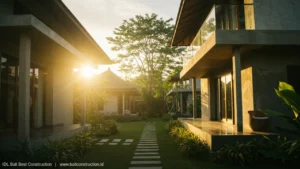
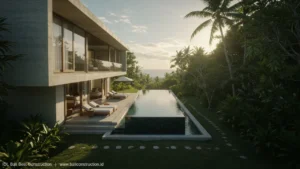
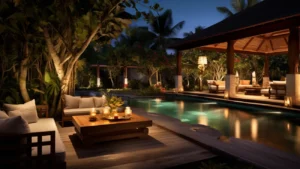
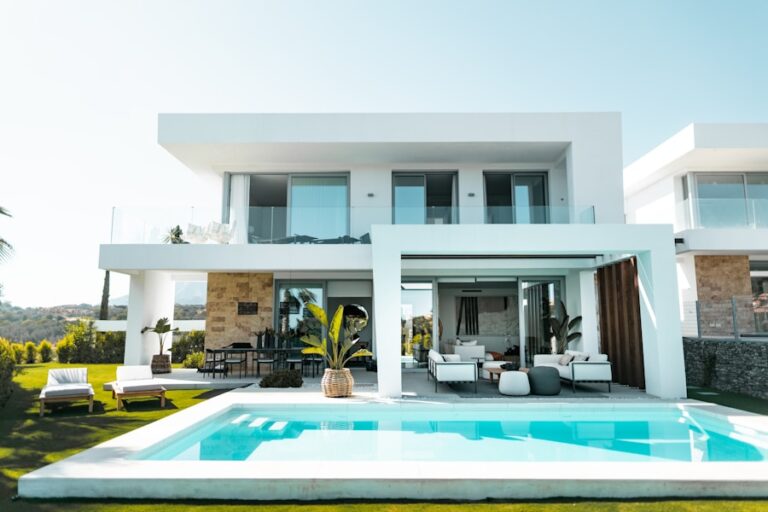
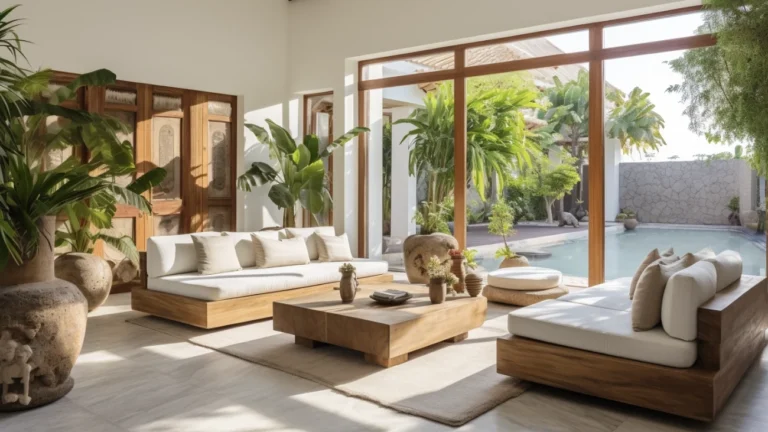
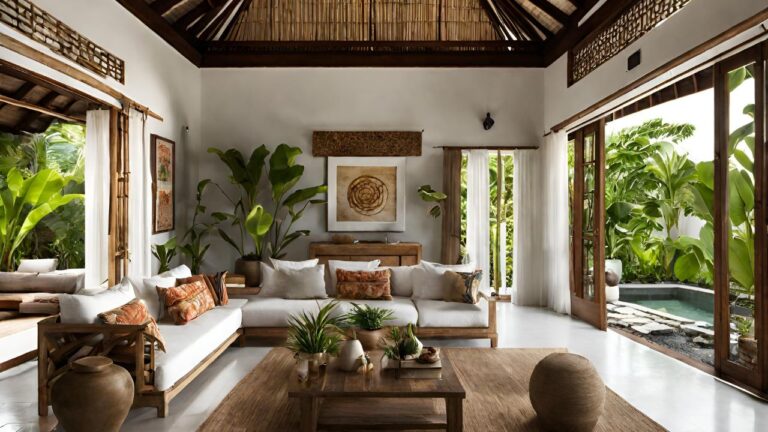
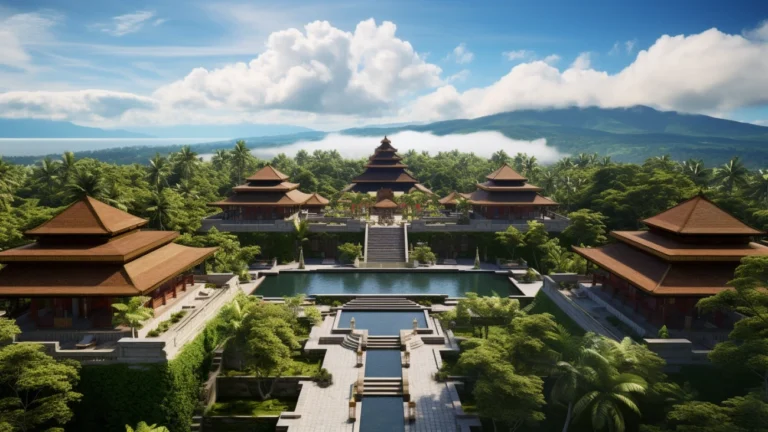
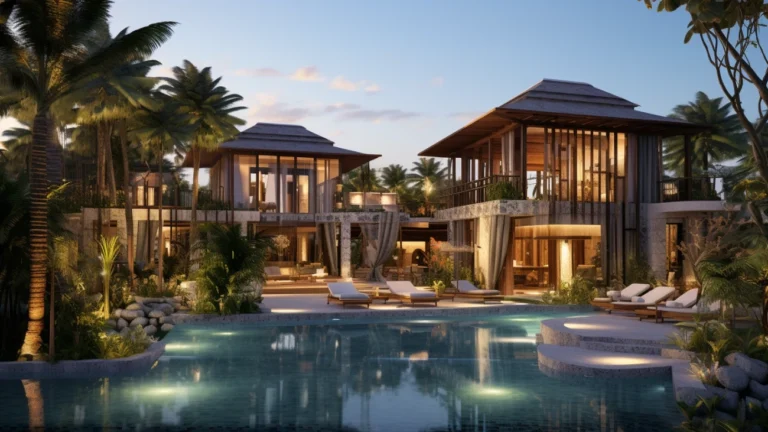
Balinese fusion architecture is a unique and captivating style that combines traditional Balinese design elements with modern influences to create stunning and luxurious villas. This architectural style has gained popularity in recent years, as more and more people seek out the beauty and tranquility of Bali for their vacation homes. Balinese fusion architecture is characterized by its use of natural materials, intricate carvings, and open-air spaces that seamlessly blend indoor and outdoor living. The result is a harmonious and serene environment that allows residents to fully immerse themselves in the natural beauty of the island.
Traditional Balinese Architectural Elements
Traditional Balinese architecture is deeply rooted in the island’s rich cultural and religious traditions. One of the most iconic elements of Balinese architecture is the use of intricate carvings and sculptures, which can be found on everything from doorways to temple walls. Another key feature of traditional Balinese architecture is the use of open-air spaces, such as courtyards and pavilions, which allow for natural ventilation and a seamless connection to the surrounding landscape. Additionally, traditional Balinese buildings often feature steeply pitched roofs, which are designed to withstand the heavy rains and strong winds that are common in the region.
In modern Balinese fusion architecture, these traditional elements are often reinterpreted and incorporated into contemporary villa designs. For example, intricate carvings may be used as decorative accents on modern furniture or incorporated into the design of a swimming pool. Open-air spaces are also a key feature of Balinese fusion architecture, with many villas featuring expansive outdoor living areas that are perfect for enjoying the island’s warm climate. The use of traditional materials, such as teak wood and volcanic stone, further connects these modern villas to their cultural heritage.
Modern Influences in Balinese Villa Design
While traditional Balinese architecture provides a strong foundation for villa design, modern influences have also played a significant role in shaping the aesthetic of Balinese fusion architecture. One of the most notable modern influences is the incorporation of contemporary amenities and technology into villa design. Many Balinese villas now feature state-of-the-art kitchens, infinity pools, and entertainment systems, providing residents with all the comforts of modern living.
Another modern influence in Balinese villa design is the use of sleek and minimalist aesthetics. While traditional Balinese architecture is known for its ornate carvings and intricate details, many modern villas take a more understated approach, with clean lines and simple forms that allow the natural beauty of the surroundings to take center stage. Additionally, modern design principles such as sustainability and eco-friendliness are increasingly being integrated into Balinese villa design, with many architects and designers prioritizing energy-efficient systems and environmentally friendly materials.
The Role of Nature in Balinese Fusion Architecture
Nature plays a central role in Balinese fusion architecture, with many villas designed to seamlessly integrate with the surrounding landscape. This is achieved through the use of open-air spaces, such as courtyards and verandas, which allow residents to enjoy the natural beauty of Bali from the comfort of their own home. Additionally, many villas feature lush gardens and landscaping that further blur the lines between indoor and outdoor living.
In addition to providing stunning views and a sense of tranquility, the incorporation of nature into Balinese fusion architecture also serves practical purposes. For example, open-air spaces help to promote natural ventilation and reduce the need for artificial cooling systems, while gardens and greenery can help to mitigate the effects of urban heat islands. By prioritizing the connection to nature in their designs, architects and designers are able to create villas that not only look beautiful but also contribute to a healthier and more sustainable environment.
Balinese Fusion Interior Design
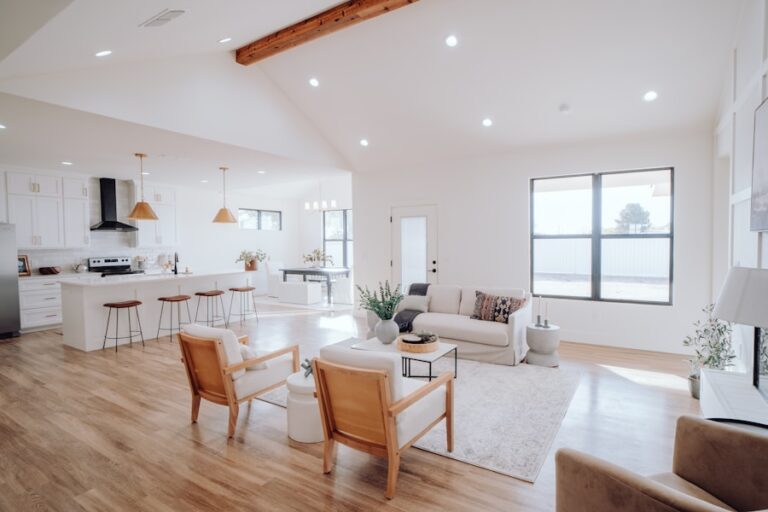
In addition to its striking exterior architecture, Balinese fusion villas are also known for their stunning interior design. Many villas feature spacious and airy living areas that are adorned with traditional Balinese artwork and furnishings, creating a sense of warmth and luxury. The use of natural materials such as wood and stone further enhances the connection to the surrounding landscape, while contemporary furniture and decor add a touch of modern elegance.
One of the most distinctive features of Balinese fusion interior design is the use of traditional textiles and patterns. From batik fabrics to ikat weavings, these traditional textiles are often used to add color and texture to the interiors of Balinese villas, creating a sense of authenticity and cultural richness. Additionally, many villas feature handcrafted furniture and artwork that showcase the incredible skill and artistry of local artisans.
Sustainability and Eco-Friendly Practices in Balinese Villa Design
As awareness of environmental issues continues to grow, sustainability and eco-friendly practices have become increasingly important in the world of architecture and design. In Balinese fusion architecture, this is reflected in the use of environmentally friendly materials and energy-efficient systems. For example, many villas are constructed using locally sourced materials such as bamboo and recycled wood, which helps to reduce the carbon footprint associated with construction.
In addition to using sustainable materials, many Balinese villas also incorporate energy-efficient systems such as solar panels and rainwater harvesting systems. These features not only help to reduce the environmental impact of the villa but also contribute to lower operating costs for residents. Furthermore, by prioritizing sustainability in their designs, architects and designers are able to create villas that are not only beautiful but also contribute to a more sustainable future for Bali.
The Future of Balinese Fusion Architecture
As interest in Balinese fusion architecture continues to grow, it is clear that this unique style will play an important role in shaping the future of villa design in Bali. With its seamless blend of traditional elements and modern influences, Balinese fusion architecture offers a timeless aesthetic that appeals to a wide range of tastes and preferences. Additionally, as sustainability becomes an increasingly important consideration in architectural design, Balinese fusion architecture is well-positioned to lead the way in creating environmentally friendly and sustainable villas.
Looking ahead, it is likely that we will continue to see an emphasis on open-air living spaces, natural materials, and sustainable practices in Balinese fusion architecture. Additionally, as technology continues to advance, we can expect to see even more innovative solutions for energy efficiency and environmental stewardship incorporated into villa design. Ultimately, the future of Balinese fusion architecture looks bright, with a continued focus on creating beautiful, sustainable, and culturally rich villas that honor the traditions of Bali while embracing the possibilities of modern design.