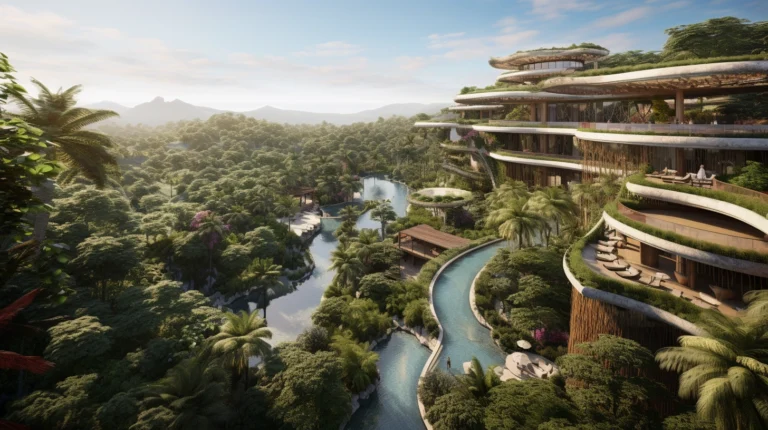
This article explores the integration of Balinese architectural principles and aesthetics into contemporary building design. It examines how traditional Balinese elements can inform and enrich modern architectural practices, creating structures that are both contextually relevant and forward-looking. The fusion of tradition and innovation offers a pathway to developing architecture that resonates with cultural identity while embracing the demands of contemporary living.
Historical Context of Balinese Architecture
Traditional Balinese architecture is deeply rooted in the island’s spiritual beliefs, social structures, and natural environment. Buildings are not merely functional spaces but are seen as integral parts of a holistic cosmos, connecting the human realm with the divine and the natural world. This philosophical underpinnings have shaped the design, layout, and material choices characteristic of Balinese vernacular architecture. Understanding this historical context is crucial for effectively incorporating these elements into modern designs.
The Influence of Agama Hindu Dharma
The dominant religious philosophy on Bali, Agama Hindu Dharma, profoundly influences architectural design. Temples and residential compounds are oriented according to cosmic principles, with specific areas designated for different functions and spiritual significance. The concept of Tri Hita Karana (harmony between man, nature, and the divine) is not just a philosophical ideal but is physically manifested in the organization of space and the relationships between built elements.
Sacred Spaces and Their Layout
Traditional Balinese homes and temple complexes often feature a hierarchical layout, with the most sacred areas positioned furthest from the main entrance. This segregation of spaces reflects a consideration for purity and spiritual progression. Courtyards, often central to these compounds, act as transitional zones and communal gathering spaces, bridging the indoor and outdoor environments.
Vernacular Building Materials and Techniques
Balinese architecture has historically utilized readily available natural materials such as bamboo, wood, stone, and thatch. These materials not only contribute to a sustainable building approach but also impart a distinct aesthetic character. The skilled craftsmanship involved in shaping and assembling these materials is a testament to generations of accumulated knowledge and expertise.
The Use of Local Stone and Wood
Volcanic stone, particularly andesite, is a common building material, employed for walls, pillars, and decorative elements. Its durability and natural texture lend a robust and earthy quality to structures. Timber, often from coconut trees or teak, is used for structural components, roofs, and intricate carving. The warm tones and natural grain of wood are intrinsic to the Balinese aesthetic.
Thatching and Traditional Roofing
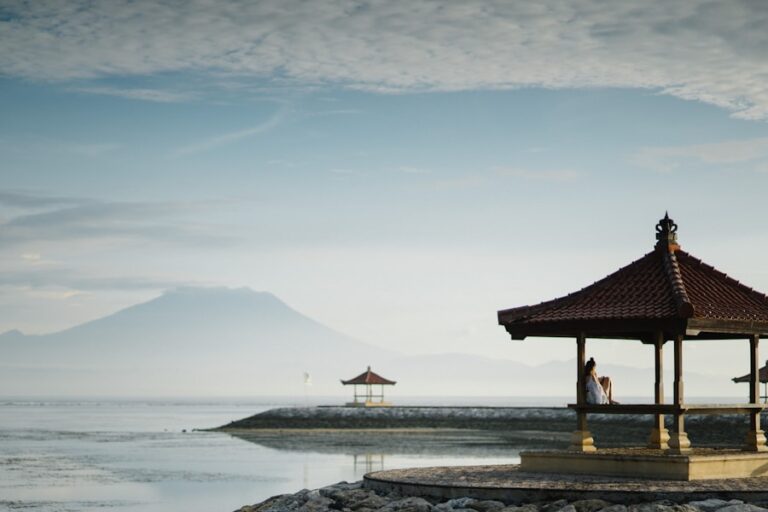
The use of natural thatch, such as alang-alang (cogon grass), for roofing is a defining feature of traditional Balinese buildings. These materials provide excellent insulation against the tropical heat and contribute to a soft, organic roofline that blends harmoniously with the landscape. The construction of these roofs requires specialized techniques to ensure longevity and resistance to the elements.
The Concept of “Asta Kosala Kosali”
Asta Kosala Kosali is an ancient Balinese architectural treatise that provides guidelines for village planning and individual building design. It encompasses principles related to proportion, orientation, material selection, and the auspicious placement of structures. This codified knowledge system ensures that buildings are not only aesthetically pleasing but also aligned with cosmic order and human well-being.
Proportion and Harmony
The treatise details specific proportions for doors, windows, and other architectural elements, aiming to create a sense of balance and visual harmony. These proportions are often derived from natural forms and the human body, emphasizing a human-scaled and relatable architecture.
Site Planning and Orientation
Asta Kosala Kosali also guides the orientation of buildings with respect to cardinal directions and the surrounding landscape. This consideration extends to the placement of different pavilions within a compound, each serving specific functions and responding to solar paths and prevailing winds.
Contemporary Applications of Balinese Elements
The enduring appeal of Balinese architecture lies in its ability to evoke a sense of peace, connection to nature, and cultural richness. Modern architects are increasingly drawn to these qualities, seeking to integrate them into contemporary designs to create spaces that are both functional and spiritually resonant. This integration is not merely about superficial ornamentation but involves a deeper understanding and application of the underlying principles.
Material Palette and Textural Integration
The reintroduction of natural materials and the emphasis on texture are key aspects of incorporating Balinese elements into modern architecture. This approach moves away from sterile, monolithic surfaces towards a more tactile and organic experience.
Embracing Natural Stone and Timber
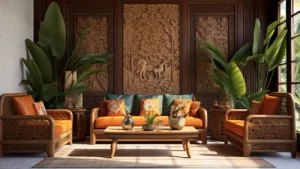
Contemporary projects often feature exposed natural stone, such as volcanic stone or local sandstone, for feature walls, cladding, and landscaping elements. Similarly, the use of sustainably sourced timber for structural elements, flooring, and decorative accents brings warmth and a connection to nature. Architects are exploring new ways to work with these materials, often combining them with modern construction techniques.
Reimagining Thatch and Natural Fibers
While traditional thatch might present maintenance challenges in some contemporary contexts, designers are exploring alternatives. This includes using natural fiber-based roofing materials like palm leaves or engineered thatch systems that mimic the aesthetic while offering improved durability. Interior applications also see the use of woven natural fibers for wall coverings, furnishings, and decorative screens.
Spatial Organization and Flow
The Balinese approach to spatial organization, emphasizing the flow between indoor and outdoor spaces and the creation of various functional zones, offers valuable lessons for modern design. This is particularly relevant in tropical climates where blurring the lines between interior and exterior can enhance livability.
Indoor-Outdoor Connectivity
Large openings, courtyards, and covered verandas are embraced to create a seamless transition between indoor living areas and the surrounding environment. This approach promotes natural ventilation and a sense of spaciousness, making the most of the tropical climate. The concept of the pavilion, a semi-independent structure within a larger compound, is also revisited, offering flexibility and a connection to the elements.
Creating Distinct Zones and Transition Spaces
Balinese compounds are typically divided into distinct zones for sleeping, living, and working, often separated by courtyards or garden areas. Modern interpretations utilize similar principles, creating different functional areas within a dwelling or public building through changes in elevation, material, or the use of screens and partitions, fostering a sense of discovery and progression through the space.
Decorative Motifs and Craftsmanship
The intricate artistry found in Balinese carvings and decorative elements can inspire contemporary designs, adding layers of cultural meaning and visual interest. The key is to integrate these motifs thoughtfully, avoiding mere pastiche.
Contemporary Carving and Pattern Language
Traditional Balinese motifs, inspired by nature, mythology, and spiritual symbols, can be reinterpreted in modern materials and applications. This might involve laser-cut metal screens with traditional patterns, carved stone facades, or digitally generated textures that evoke the spirit of Balinese craftsmanship. The focus is often on abstracting or simplifying traditional forms to suit a contemporary aesthetic.
Emphasizing Handcrafted Details
There is a growing appreciation for handcrafted elements in modern design. This can manifest in commissioned artworks, custom-designed furniture, or the detailing of architectural components, directly referencing the artisanal traditions of Bali. This approach adds a unique, personal touch and supports local craftspeople.
Integrating Spiritual and Philosophical Principles
Beyond aesthetics and materials, the underlying spiritual and philosophical principles of Balinese architecture offer a profound framework for contemporary design. The concept of Tri Hita Karana and the connection to the natural world provide a blueprint for creating buildings that are not only functional but also foster well-being and a sense of belonging.
The Concept of Tri Hita Karana in Design
The principle of Tri Hita Karana—harmony between humanity, nature, and the divine—serves as a guiding light for integrating Balinese elements into modern architecture. This means designing spaces that foster a connection to the natural environment, promote positive human interaction, and acknowledge a sense of the sacred, even in secular buildings.
Connecting with Nature
This principle translates into designs that prioritize natural light, ventilation, and views of greenery. Water features, gardens, and the use of natural materials are employed to bring the essence of nature into the built environment, creating a sensory experience that is both calming and invigorating.
Fostering Community and Well-being
The emphasis on communal spaces within traditional Balinese compounds can inspire the design of modern buildings that encourage social interaction and a sense of community. This can be achieved through shared courtyards, comfortable gathering areas, and a design that facilitates neighborly connection. The spiritual aspect encourages the creation of spaces that are conducive to reflection and personal well-being.
Sacred Geometry and Proportion
The use of specific proportions and geometric relationships in traditional Balinese architecture, guided by principles like Asta Kosala Kosali, can be adapted to create harmonious and aesthetically pleasing modern structures. This approach ensures a sense of order and balance, akin to the underlying mathematical harmonies found in nature.
Applying Proportional Systems
Modern architects can draw inspiration from the proportional systems of Balinese architecture to define the relationships between different elements of a building, from the overall massing to the details of window openings. This can lead to designs that possess an inherent visual appeal and a sense of completeness.
Orientation and Site Responsiveness
The Balinese practice of orienting buildings to respond to the sun, wind, and the surrounding landscape is a crucial element for sustainable and comfortable design. Contemporary architects can apply these principles to optimize energy efficiency, maximize natural daylight, and create microclimates that enhance occupant comfort.
Challenges and Considerations in Fusion
The wholesale adoption of traditional elements into modern architecture is not without its challenges. Successfully fusing these disparate influences requires careful consideration of context, functionality, and evolving building codes. It is a delicate balancing act, like a musician learning a new instrument, requiring skill to produce harmonious sounds.
Material Durability and Maintenance
Traditional Balinese building materials, while beautiful, may not always meet the durability or low-maintenance requirements of contemporary construction or climate extremes. For instance, natural thatch requires regular upkeep to prevent rot and infestation.
Adapting Materials for Modern Use
Architects must carefully select and adapt materials. This might involve using engineered wood products that mimic natural timber, treated bamboo for increased longevity, or advanced composite materials that offer the aesthetic of natural stone with enhanced performance. The goal is to retain the visual and tactile qualities without compromising on structural integrity or ease of care.
Balancing Aesthetics with Performance
The integration of traditional elements must not come at the expense of building performance. This includes ensuring adequate insulation, water resistance, and structural stability in accordance with modern building standards and environmental regulations.
Cultural Sensitivity and Authenticity
When incorporating cultural elements, it is paramount to do so with respect and authenticity. A superficial application of motifs without understanding their cultural significance can lead to misrepresentation or a diluted aesthetic.
Avoiding Cultural Appropriation
It is essential to engage with and understand the cultural context from which these architectural elements originate. This might involve collaboration with local craftspeople and cultural experts to ensure that the integration is respectful and meaningful. The aim is to celebrate and enhance, not to exploit or dilute.
Meaningful Integration over Superficial Ornamentation
The focus should be on integrating the principles and spirit of Balinese architecture, rather than simply placing decorative elements onto a modern structure. This means understanding the underlying philosophy of spatial organization, the connection to nature, and the spiritual dimensions that inform traditional design.
Modern Building Codes and Regulations
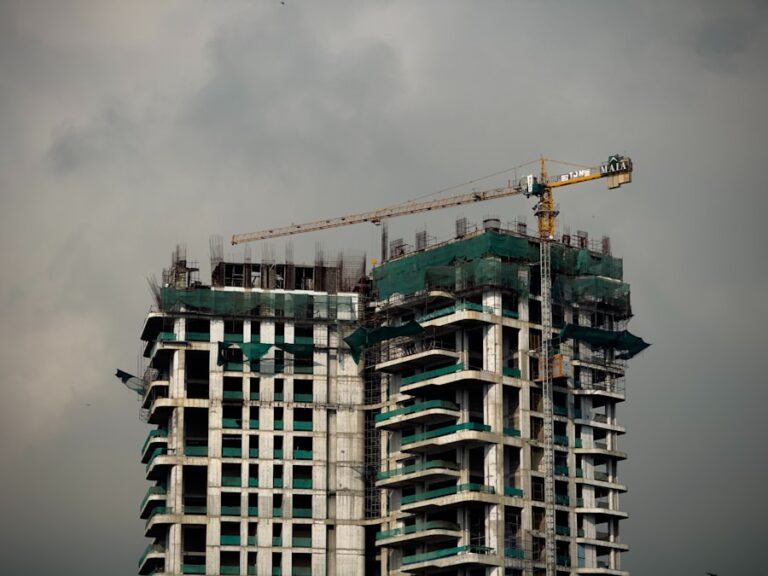
Traditional building methods and materials may not always comply with contemporary building codes, which are often designed with conventional construction materials and techniques in mind.
Navigating Compliance
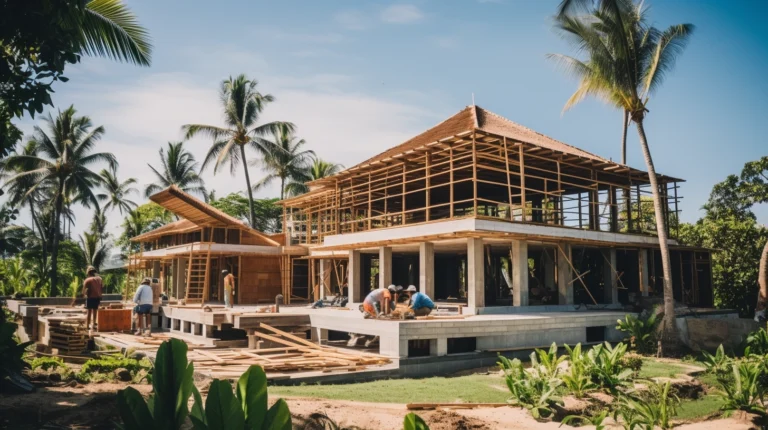
Architects need to work closely with regulatory bodies and structural engineers to ensure that any incorporation of traditional elements meets safety and performance standards. This might involve innovative engineering solutions or the use of modern materials that achieve a similar aesthetic while adhering to codes.
Innovative Solutions for Structural Integrity
For example, traditional wooden post-and-beam construction might need to be reinforced with steel elements or modern joinery techniques to meet seismic requirements or load-bearing capacities stipulated by current codes.
Case Studies: Balinese Influences in Global Architecture
Numerous projects around the world now showcase the successful integration of Balinese architectural elements into diverse modern contexts. These examples demonstrate the adaptability and universal appeal of Balinese design principles, proving that tradition and innovation can indeed coexist harmoniously. Examining these projects provides tangible evidence of the fusion in practice.
Residential Projects and Retreats
Many contemporary villas and resorts, particularly those located in tropical regions or designed with a focus on wellness and nature, draw heavily from Balinese architectural vernacular. These projects often prioritize outdoor living spaces and a connection to the surrounding landscape.
Examples in Southeast Asia
In Bali itself, numerous luxury villas and hotels have been designed by both local and international architects, showcasing a sophisticated blend of modern amenities and traditional Balinese aesthetics. These projects often feature open-plan living areas, private courtyards, and the extensive use of natural materials like wood and stone.
International Interpretations
Beyond Bali, architects have incorporated Balinese-inspired courtyards, water features, and material palettes into residential designs in other tropical or subtropical climates. These projects often aim to capture the relaxed, resort-like ambiance associated with Balinese architecture.
Commercial and Hospitality Developments
The hospitality sector, in particular, has embraced Balinese design for its ability to create serene, inviting, and culturally rich environments. Hotels, spas, and restaurants often leverage these elements to offer guests a unique and memorable experience.
Resorts and Spas Emphasizing Tranquility
The emphasis on tranquility, natural materials, and the integration of water and greenery in Balinese architecture makes it ideally suited for spa and wellness centers. These spaces are designed to promote relaxation and rejuvenation.
Retail and Dining Spaces Creating Ambiance
Restaurants and retail spaces can also benefit from the warm, inviting, and aesthetically rich qualities of Balinese design. The use of natural materials, intricate detailing, and the creation of intimate spaces can enhance the customer experience and create a distinct brand identity.
Public and Cultural Buildings
While less common than residential or hospitality projects, some public and cultural buildings have also explored the integration of Balinese elements to foster a sense of place and cultural identity, particularly in regions with a connection to or interest in Balinese culture.
Cultural Centers and Museums
Buildings designed to showcase or celebrate local culture might incorporate elements of Balinese architecture to create a visually engaging and contextually relevant presence. This can help to reinforce a unique cultural narrative.
Community Hubs and Educational Facilities
The principles of communal gathering and connection to nature inherent in Balinese design can also be applied to community centers and educational facilities, fostering a more harmonious and engaging environment for users.
The Future of Balinese-Inspired Architecture
The integration of Balinese elements into modern architecture is not a fleeting trend but a growing movement towards more contextually sensitive, sustainable, and spiritually resonant design. As global awareness of the importance of cultural heritage and environmental connection increases, the principles embodied in Balinese architecture are likely to gain further traction. The future lies in thoughtful synthesis, ensuring that tradition acts as a wellspring of inspiration for innovation.
Evolving Design Sensibilities
As societal values shift towards greater emphasis on well-being, sustainability, and cultural authenticity, architectural approaches that draw from rich vernacular traditions like that of Bali will continue to be relevant. The search for meaning and connection in the built environment will drive further exploration of these principles.
Emphasis on Biophilic Design and Wellness
The inherent biophilic qualities of Balinese architecture—its deep connection to nature, use of natural light, and integration of greenery—align perfectly with contemporary trends in biophilic design and the growing demand for spaces that promote human wellness.
Sustainable and Low-Impact Construction
The historical reliance on local, natural materials and passive design strategies in Balinese architecture provides a valuable model for contemporary sustainable construction. Future innovations will likely build upon these foundations, incorporating advanced technologies to enhance performance while retaining the aesthetic and philosophical integrity.
Technological Advancements and Material Innovation
Technological advancements offer new possibilities for reinterpreting traditional Balinese architectural forms and materials. Digital fabrication, advanced material science, and computational design tools can enable the creation of complex geometries and intricate details that echo traditional craftsmanship with modern precision and efficiency.
Digital Fabrication and Craftsmanship
Techniques like 3D printing and CNC milling can be used to create custom latticework, decorative panels, and structural components with intricate patterns inspired by Balinese carvings, allowing for greater complexity and precision than traditional handcrafting alone.
Smart Materials and Sustainable Technologies
The integration of innovative sustainable technologies, such as advanced insulation systems, rainwater harvesting, and renewable energy sources, can be seamlessly incorporated into designs that retain a Balinese aesthetic. Smart materials that adapt to environmental conditions can further enhance performance and comfort.
Global Exchange and Cultural Dialogue
The ongoing exchange of ideas and collaborations between architects, designers, and craftspeople from different cultures will continue to enrich the field of architecture. This dialogue fosters a deeper understanding and appreciation of diverse architectural traditions, leading to more nuanced and impactful fusions.
Cross-Cultural Collaboration and Education
The promotion of cross-cultural collaboration, workshops, and educational programs can facilitate the sharing of knowledge and skills related to Balinese architectural principles and techniques. This fosters a more informed and respectful approach to integration.
Continued Research and Adaptation
Ongoing research into the historical context, material properties, and philosophical underpinnings of Balinese architecture, coupled with creative adaptation to contemporary needs, will ensure that its influence continues to evolve and inspire architects worldwide.