Green Building Practices in Bali: Designing for a Sustainable and Eco-Friendly Future
Bali, an Indonesian island renowned for its natural beauty and rich cultural heritage, faces significant environmental challenges due to rapid development and tourism. These pressures necessitate a shift towards sustainable building practices. Green building, in this context, involves the design, construction, and operation of buildings in a manner that minimizes environmental impact and maximizes resource efficiency. This article explores the various facets of green building on the island, examining its principles, prevalent practices, and the challenges it encounters.
Principles of Green Building in Bali
Green building in Bali adheres to a set of core principles that guide construction and design decisions. These principles are not unique to Bali but are adapted to the island’s specific climatic conditions, cultural context, and resource availability.
Resource Efficiency
Resource efficiency is a cornerstone of green building. This encompasses the judicious use of all inputs, from raw materials to energy and water. The aim is to reduce demand and wastage throughout the building’s lifecycle.
Material Selection
The selection of building materials plays a crucial role in reducing environmental impact. Preference is given to materials that are locally sourced, renewable, recycled, or have low embodied energy. For instance, bamboo, a rapidly renewable resource abundant in Bali, is frequently utilized. Reclaimed timber and stone also find application, reducing the demand for new extraction.
Energy Optimization
Energy optimization focuses on minimizing energy consumption for heating, cooling, lighting, and other operational needs. This involves passive design strategies that harness natural forces, as well as the integration of renewable energy sources.
Passive Design Strategies
Passive design in Bali leverages the tropical climate. This includes strategic orientation to minimize solar heat gain, effective cross-ventilation to reduce reliance on air conditioning, and generous overhangs to shade windows. Thermal mass, such as thick walls made of local stone or earth, can also help regulate interior temperatures.
Renewable Energy Integration
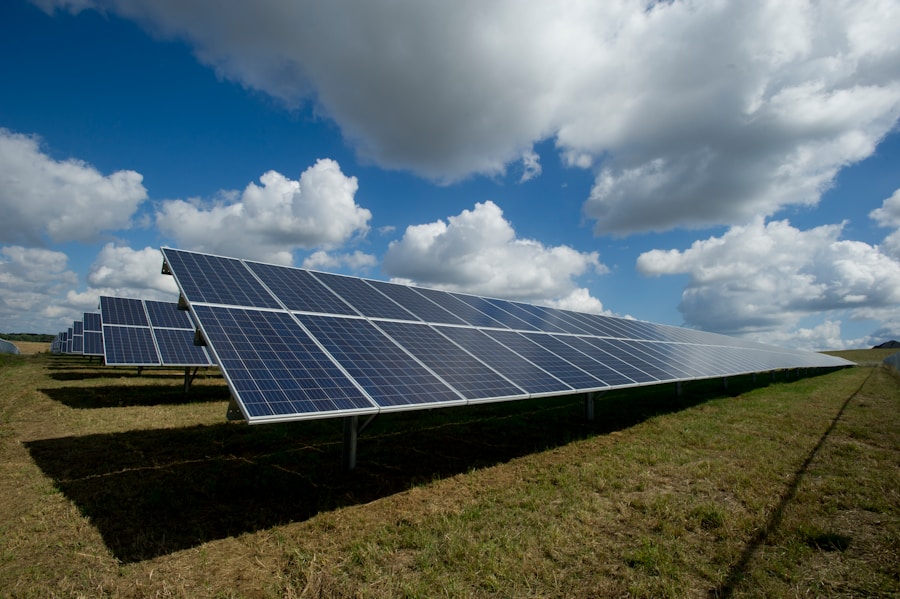
The adoption of renewable energy technologies is gaining traction. Solar photovoltaic (PV) panels are increasingly being installed on rooftops to generate electricity. Solar water heaters are also common, reducing the energy required for domestic hot water production.
Water Management
Efficient water management is critical, especially given the island’s reliance on groundwater and the potential for water scarcity. Strategies focus on reducing consumption and managing wastewater responsibly.
Rainwater Harvesting
Rainwater harvesting systems collect and store rainwater for non-potable uses such as irrigation, flushing toilets, and even for laundry. This reduces reliance on municipal or well water supplies.
Greywater Recycling
Greywater, wastewater from sinks, showers, and laundry, can be treated and reused for irrigation. This significantly reduces the demand for fresh water in landscaping.
Sustainable Construction Practices
The construction phase itself presents opportunities for implementing sustainable practices. These practices aim to minimize waste, reduce pollution, and protect the surrounding environment.
Site Selection and Preparation
The initial stages of a project are crucial. Thoughtful site selection minimizes ecological disruption, and careful preparation safeguards existing ecosystems.
Minimizing Site Disturbance
Construction activities can lead to soil erosion, habitat destruction, and disruption of local hydrology. Green building practices prioritize minimizing disturbance to the natural landscape, preserving existing vegetation, and protecting topsoil. This approach views the site not merely as a foundation, but as an integral part of the larger ecosystem.
Erosion Control
Erosion control measures, such as sediment fences and careful grading, are implemented to prevent soil runoff into rivers and coastal waters. This protects water quality and preserves aquatic ecosystems.
Waste Management
Construction generates substantial waste. Effective waste management programs aim to reduce, reuse, and recycle materials, diverting them from landfills.
Waste Reduction Strategies
Strategies include optimizing material quantities, prefabricating components off-site to reduce on-site cutting waste, and carefully planning material deliveries to minimize packaging.
Recycling and Reuse
Construction and demolition waste, such as concrete, timber, and metal, can often be recycled or reused. Designated areas for waste segregation facilitate proper processing of these materials.
Local Materials and Techniques
The use of local materials and traditional building techniques is a hallmark of Balinese green architecture. This approach not only reduces the carbon footprint associated with transportation but also supports local economies and preserves cultural heritage.
Bamboo Construction
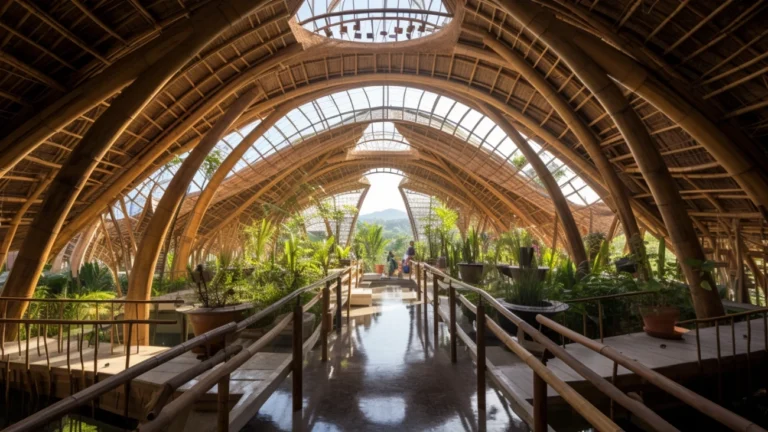
Bamboo is a versatile and sustainable building material. Its rapid growth rate, high tensile strength, and aesthetic appeal make it a popular choice for structures ranging from small huts to multi-story buildings.
Treatment and Preservation
Proper treatment and preservation of bamboo are essential to enhance its durability and resistance to pests and rot. Traditional methods, such as soaking or smoking, are employed alongside modern treatments.
Structural Applications
Bamboo is used for structural frames, roofing, flooring, and decorative elements. Its flexibility allows for innovative and organic designs that harmonize with the natural environment.
Local Stone and Timber
Volcanic stone and sustainably harvested timber are also commonly used. These materials provide thermal mass, durability, and a natural aesthetic that blends with the Balinese landscape.
Sourcing and Craftsmanship
Local stone, such as paras (volcanic tuff), is often sourced from nearby quarries. Skilled Balinese artisans employ traditional carving techniques to create intricate details and decorative elements. Similarly, timber is sourced from certified sustainable forests where available, supporting responsible forestry practices.
Green Building Certification and Standards
As green building gains prominence, formal certification systems and standards provide frameworks for evaluating and verifying the environmental performance of buildings. These systems offer a pathway for greater accountability and transparency.
Green Building Council Indonesia (GBCI)
The Green Building Council Indonesia (GBCI) promotes green building practices throughout the country. Its certification system, Greenship, assesses buildings based on various environmental criteria.
Greenship Certification
Greenship certification evaluates buildings across categories such as energy efficiency, water conservation, material selection, indoor environmental quality, and site management. Achieving certification signifies that a building meets stringent sustainability benchmarks.
Adaptation to Local Context
Greenship standards are adapted to the specific conditions and regulations of Indonesia, including Bali. This ensures relevance and applicability within the local construction industry.
Challenges and Future Outlook
While Bali has made progress in green building, several challenges hinder its widespread adoption. Addressing these issues is crucial for fostering a truly sustainable built environment.
Economic Barriers
The initial cost of green buildings can sometimes be higher than conventional construction, due to specialized materials, technologies, or design expertise. This can be a deterrent for developers seeking quick returns.
Investment in Sustainable Technologies
The upfront investment in renewable energy systems, efficient appliances, and specialized water-saving fixtures can pose a barrier. However, these investments often lead to long-term operational savings.
Perceived Value vs. Immediate Cost
The economic benefits of green buildings, such as lower utility bills and increased property value, may not always be immediately apparent or factored into initial decision-making. Education on life-cycle costing is therefore important.
Regulatory and Policy Frameworks
The absence of comprehensive and consistently enforced green building regulations can impede progress. Stronger government incentives and mandates are needed to drive adoption.
Lack of Enforcement
Existing regulations related to zoning, environmental protection, and waste management may not always be rigorously enforced, undermining efforts towards sustainable development. This creates a landscape where regulations can be seen more as suggestions than mandates.
Incentives and Disincentives
The introduction of tax breaks, expedited permitting processes, or subsidies for green builders could incentivize sustainable practices. Conversely, disincentives for unsustainable construction could also be considered.
Awareness and Education
A lack of awareness among developers, construction workers, and even prospective homeowners can hinder demand and implementation of green building principles. This gap in understanding is a fundamental hurdle.
Industry Training
Training programs for architects, engineers, contractors, and craftsmen are essential to equip them with the knowledge and skills required for designing and constructing green buildings.
Public Engagement
Educating the general public about the benefits of green buildings – from improved indoor air quality to reduced environmental impact – can stimulate demand and foster a culture of sustainability. This requires a shift in consumer perspective, moving beyond purely aesthetic considerations to embrace a broader ecological consciousness.
Bali’s journey towards a sustainable and eco-friendly future through green building practices is a continuous process. Like a sapling growing towards the sun, this movement requires consistent nurturing, protection from adverse conditions, and a strong root system of principles and practices. While challenges persist, the increasing awareness, evolving technologies, and commitment from various stakeholders offer a promising outlook for the island’s built environment. The integration of traditional wisdom with modern sustainable approaches positions Bali to serve as a compelling example of harmonious development.