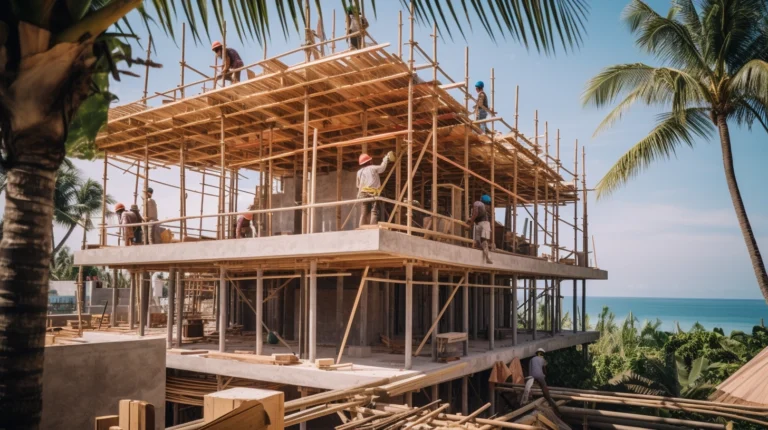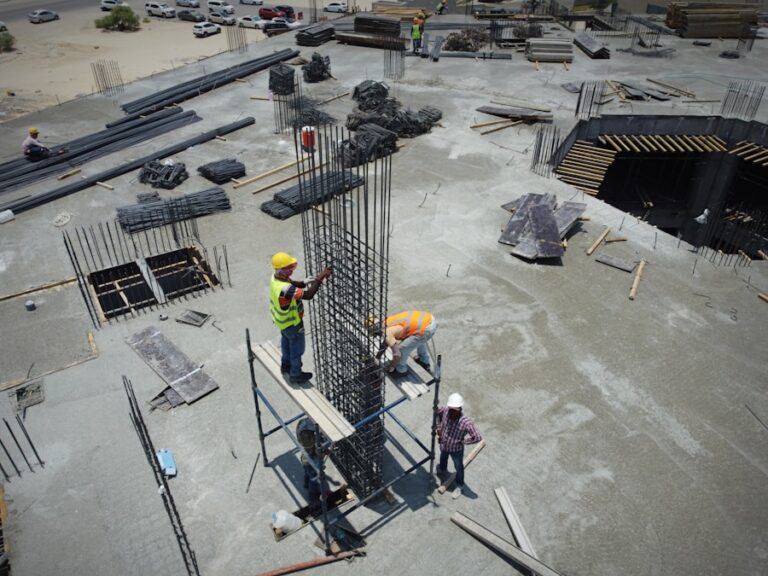
Construction projects, particularly in a unique and demanding environment like Bali, benefit from professional guidance. This article examines the tangible advantages of engaging an architect for your building endeavors on the island.
Understanding the Architect’s Role in Bali Construction
3.1 The Architect as Navigator: In the complex terrain of Bali’s development regulations, cultural nuances, and environmental considerations, an architect acts as a knowledgeable navigator. They possess the expertise to chart a course through potential obstacles, ensuring your project remains on track and compliant. Think of them as the captain of your vessel, steering you through unfamiliar waters toward your desired destination.
3.1.1 Navigating Local Building Codes and Permitting: Bali has specific building codes and a bureaucratic process for obtaining permits. An architect understands these intricacies, which often differ significantly from Western standards. They can prepare the necessary documentation, submit applications, and liaison with local authorities, saving you considerable time and preventing costly delays or potential legal issues. This process can be likened to deciphering a coded message; without the key, communication breaks down.
3.1.2 Adhering to Environmental and Heritage Considerations: Bali’s rich cultural heritage and sensitive ecosystem necessitate careful planning. Architects are trained to consider environmental impact assessments, sustainable building practices, and respect for existing cultural landscapes. They can guide you in designing a project that harmonizes with its surroundings, minimizing negative implications and potentially enhancing the local environment. This is akin to composing a symphony where each instrument plays its part without dissonance.
Design and Spatial Optimization
3.2 Beyond Aesthetics: Functional Design: While aesthetics are a significant aspect of architecture, the primary function of an architect is to translate your needs and aspirations into a workable, functional design. They assess the site, its orientation, and surrounding elements to create spaces that are not only visually appealing but also practical and efficient for their intended use. This is not about simply painting a pretty picture; it’s about building a robust framework that supports your vision.
3.2.1 Maximizing Site Potential: An architect can identify opportunities within your plot of land that you might overlook. This includes optimizing views, natural light, airflow, and the integration of indoor and outdoor living spaces, which is particularly relevant in Bali’s tropical climate. They can transform a seemingly ordinary plot into a canvas for extraordinary living or commercial ventures.
3.2.2 Efficient Space Planning: They are skilled in interior and exterior space planning to ensure optimal flow, usability, and circulation. This means avoiding wasted space and ensuring that each area serves its purpose effectively. Consider it like a well-organized pantry where everything has its place and is easily accessible.
3.2.3 Creating Unique and Contextual Designs: Bali’s unique architectural vernacular and the desire for many clients to integrate a sense of place into their projects are addressed by architects. They can blend modern functionality with traditional Balinese elements, resulting in designs that feel both contemporary and deeply rooted in the local culture. This is not about mimicry but about thoughtful integration.
Cost-Effectiveness and Risk Mitigation
3.3 The Illusion of Savings: While hiring an architect represents an upfront investment, it often proves to be a cost-saving measure in the long run. They assist in preventing costly mistakes, scope creep, and unexpected expenditures that can plague poorly planned projects. This is not a direct discount, but rather an investment in avoiding future expenses.
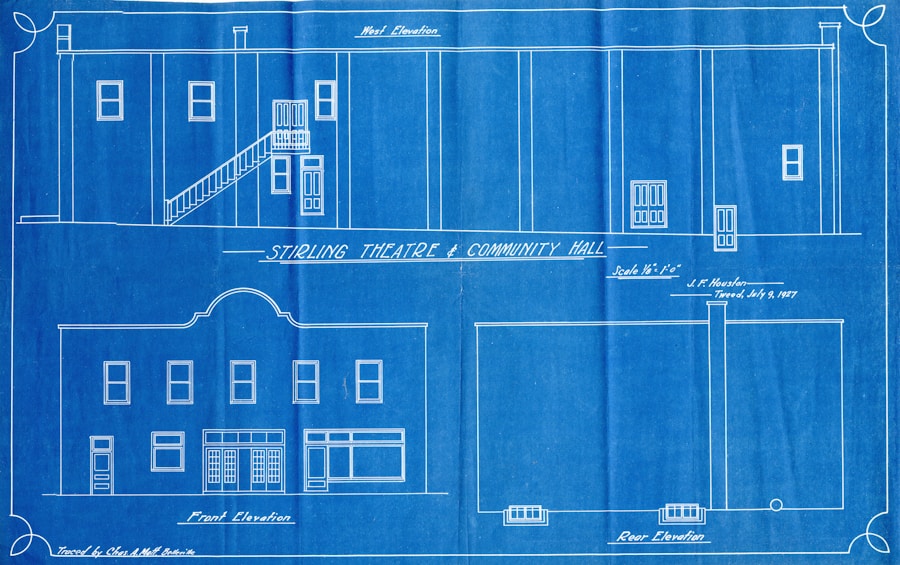
3.3.1 Accurate Budgeting and Cost Control: Architects develop detailed construction drawings and specifications, which are crucial for obtaining accurate quotes from contractors. This precision helps in establishing a realistic budget from the outset and allows for better cost control throughout the construction process. Without this blueprint, a project can become a runaway train.
3.3.2 Preventing Scope Creep: A clear design and detailed plan, developed by an architect, minimize the likelihood of project scope creep. This is when additions and changes are made during construction, often leading to significant budget overruns and delays. An architect acts as a gatekeeper, ensuring that the project stays focused on the original vision.
3.3.3 Minimizing Structural and Functional Defects: An architect’s expertise in structural integrity, material selection, and building science helps to prevent structural issues, water damage, or other defects that can arise from poorly conceived designs. These problems can lead to expensive repairs and compromised safety. This is a form of preventative medicine for your building.
3.3.4 Reducing Litigation Potential: Well-defined plans and specifications reduce the chances of disputes between the client and the contractor. Such disputes can escalate into costly legal battles. An architect’s clear documentation serves as a transparent record of the project’s intent.
Collaboration and Project Management
3.4 The Architect as Central Coordinator: The construction process involves numerous stakeholders: clients, contractors, engineers, suppliers, and various local authorities. An architect acts as a central point of contact and coordinator, ensuring that all parties are working together efficiently towards a common goal. They bridge communication gaps.
3.4.1 Facilitating Effective Communication: Architects are trained communicators, able to translate technical information into understandable terms for clients and to convey client needs clearly to contractors. This streamlined communication prevents misunderstandings and errors.
3.4.2 Liaising with Contractors and Subcontractors: They oversee the work of contractors and subcontractors, ensuring that it adheres to the design specifications, quality standards, and timelines. This provides an independent layer of oversight that protects your interests.
3.4.3 Managing the Construction Schedule: While not solely responsible for daily site management, architects contribute to the overall construction schedule by ensuring timely design approvals and addressing any design-related queries that may arise. This proactive approach keeps the project moving.
3.4.4 Quality Assurance: Architects play a role in ensuring the quality of the construction by conducting site visits and reviewing work in progress. They can identify and address any deviations from the design or suboptimal workmanship. This is akin to having a quality control inspector on your team.
Enhancing Property Value and Livability
3.5 Investing in Long-Term Value: A well-designed and professionally executed building project can significantly enhance the long-term value of your property, whether it’s for personal use or for investment purposes. This is not merely about building a structure; it’s about creating an asset.
3.5.1 Aesthetic Appeal and Marketability: Thoughtful architectural design contributes to a property’s aesthetic appeal, making it more attractive to potential buyers or renters. Unique and well-executed designs often command higher market values. This is the difference between a basic shelter and a desirable dwelling.
3.5.2 Improved Functionality and Livability: Spaces designed by architects are often more functional, comfortable, and enjoyable to inhabit. This improved livability can translate into higher demand and tenant satisfaction. A well-designed living space enhances the experience of its occupants.
3.5.3 Durability and Longevity: By specifying appropriate materials and construction methods, architects contribute to the durability and longevity of the building, reducing the need for frequent repairs and maintenance. This creates a more sustainable and economical property in the long run.
3.5.4 Creating a Sense of Place: In a location as distinct as Bali, architects can help create projects that resonate with the island’s charm and spirit. This can imbue the property with a unique character that is highly valued by individuals seeking an authentic Balinese experience. This is about building more than just four walls and a roof; it’s about crafting an experience.
In conclusion, engaging an architect for your construction project in Bali is an investment in clarity, functionality, cost-efficiency, and the ultimate success of your endeavor. Their expertise acts as a crucial guide, transforming a complex and potentially fraught process into a more controlled and rewarding journey.