In any construction project, it is crucial to establish clear expectations from the very beginning. This involves outlining the scope of work, the budget, and the timeline for completion. By clearly defining these expectations, all parties involved can have a clear understanding of what is required and can work towards a common goal. This also helps to avoid any misunderstandings or miscommunications down the line, as everyone is on the same page from the start.
Furthermore, establishing clear expectations also involves outlining the quality standards that are expected for the project. This can include the use of specific materials, adherence to building codes and regulations, and any other specific requirements that need to be met. By setting these expectations early on, it ensures that everyone involved in the project is working towards the same goal and can help to prevent any potential issues or conflicts that may arise later on.
Open and Transparent Communication
Open and transparent communication is essential in any construction project. This involves keeping all parties involved informed about the progress of the project, any changes or updates, and any potential issues that may arise. By maintaining open communication, it helps to build trust and confidence among all stakeholders and ensures that everyone is on the same page.
In addition, open and transparent communication also involves being receptive to feedback and input from all parties involved. This can help to identify any potential issues early on and can lead to more effective problem-solving and decision-making. By fostering an environment of open communication, it can help to prevent misunderstandings and conflicts and can lead to a more successful and efficient construction project.
Setting Realistic Timelines
Setting realistic timelines is crucial in ensuring the success of a construction project. This involves carefully assessing the scope of work and determining a timeline that is both achievable and realistic. By setting realistic timelines, it helps to prevent any unnecessary stress or pressure on the project team and can lead to a more efficient and effective construction process.
Furthermore, setting realistic timelines also involves taking into account any potential delays or obstacles that may arise during the course of the project. By factoring in these potential challenges, it helps to ensure that the project remains on track and can help to prevent any unnecessary setbacks. Additionally, setting realistic timelines also involves regularly reviewing and adjusting the timeline as needed to account for any changes or unforeseen circumstances that may arise.
Providing Detailed Plans and Specifications
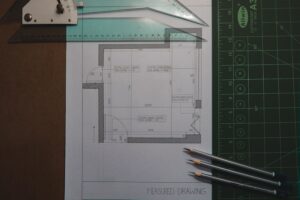
Providing detailed plans and specifications is essential in ensuring that a construction project runs smoothly and efficiently. This involves creating detailed blueprints, drawings, and specifications that outline the specific requirements for the project. By providing detailed plans and specifications, it helps to ensure that everyone involved in the project has a clear understanding of what is required and can work towards a common goal.
In addition, providing detailed plans and specifications also helps to prevent any potential misunderstandings or miscommunications that may arise during the course of the project. By clearly outlining the requirements for the project, it helps to ensure that everyone is on the same page and can help to prevent any unnecessary delays or setbacks. Furthermore, providing detailed plans and specifications also helps to ensure that the project meets all necessary building codes and regulations, which is essential for ensuring the safety and quality of the final product.
Regular Site Visits and Inspections
Regular site visits and inspections are essential in ensuring the quality and progress of a construction project. This involves conducting regular visits to the construction site to assess the progress of the project, identify any potential issues or concerns, and ensure that all work is being completed according to the specified requirements. By conducting regular site visits and inspections, it helps to ensure that the project remains on track and can help to prevent any potential issues from escalating.
Furthermore, regular site visits and inspections also help to build trust and confidence among all stakeholders involved in the project. By being present on-site, it shows a commitment to ensuring the success of the project and can help to foster a positive working relationship with all parties involved. Additionally, regular site visits and inspections also provide an opportunity to address any potential issues or concerns early on, which can lead to more effective problem-solving and decision-making.
Flexibility and Adaptability
Flexibility and adaptability are essential qualities in ensuring the success of a construction project. This involves being open to change and being able to adjust plans and strategies as needed in response to changing circumstances or unforeseen challenges. By being flexible and adaptable, it helps to ensure that the project remains on track and can help to prevent any unnecessary delays or setbacks.
In addition, flexibility and adaptability also involve being able to effectively problem-solve and make decisions in response to changing circumstances. This can involve being open to new ideas and input from all parties involved in the project and being able to adjust plans as needed to address any potential issues or concerns. By being flexible and adaptable, it helps to ensure that the project remains on track and can lead to a more successful and efficient construction process.
Resolving Issues and Conflicts
Resolving issues and conflicts is an inevitable part of any construction project, but it is essential in ensuring its success. This involves addressing any potential issues or conflicts as they arise in a timely and effective manner. By addressing these issues early on, it helps to prevent them from escalating into larger problems that can potentially derail the project.
Furthermore, resolving issues and conflicts also involves being able to effectively communicate and collaborate with all parties involved in the project. This can involve listening to feedback and input from all stakeholders, being open to compromise, and working towards finding mutually beneficial solutions. By effectively resolving issues and conflicts, it helps to build trust and confidence among all parties involved in the project and can lead to a more successful construction process.
In conclusion, establishing clear expectations, open and transparent communication, setting realistic timelines, providing detailed plans and specifications, regular site visits and inspections, flexibility and adaptability, and resolving issues and conflicts are all essential components in ensuring the success of a construction project. By carefully considering these factors and implementing them effectively, it can help to prevent potential issues or setbacks from arising and can lead to a more successful and efficient construction process. Ultimately, by prioritizing these key elements, it can help to ensure that a construction project is completed on time, within budget, and meets all necessary quality standards.