This article explores the integration of traditional Balinese building materials and design principles into contemporary property development. It aims to provide practical guidance for readers interested in incorporating elements of Balinese culture into their architectural projects, fostering sustainability, and promoting local craftsmanship.
The Enduring Appeal of Balinese Aesthetics
Bali’s architectural legacy is characterized by its harmony with nature, spiritual symbolism, and the skillful use of readily available materials. This approach has produced structures that are both aesthetically pleasing and resilient, forming a distinct architectural vernacular. Modern property design can draw upon this rich heritage, moving beyond superficial imitation to a deeper understanding of its underlying principles. This involves appreciating the inherent qualities of local materials and understanding how they interact within a design.
Historical Context of Balinese Architecture
Balinese architecture, like its culture, is deeply interwoven with Hindu-Buddhist philosophies and animistic beliefs. Early structures, often made from bamboo and thatch, evolved into more permanent forms using volcanic stone and timber. The concept of Asta Kosala Kosali, a traditional architectural treatise, outlines principles for spatial organization, orientation, and material selection, ensuring a harmonious relationship between the built environment and the cosmic order. This framework emphasizes respect for nature and a balanced approach to construction.
Defining “Modern Balinese” Design
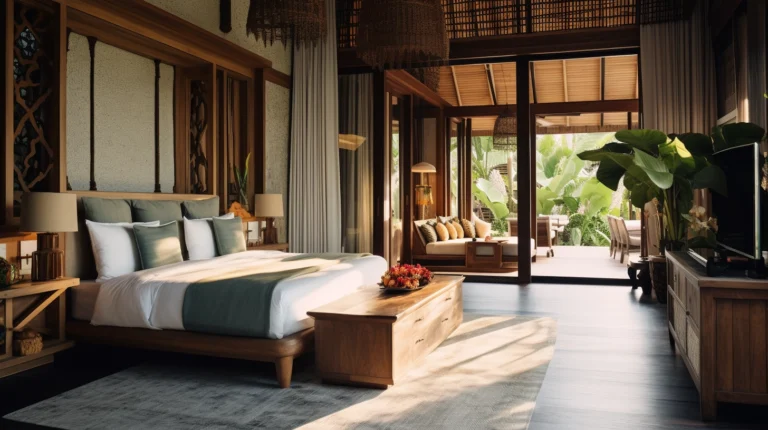
Modern Balinese design is not a static concept but an evolving interpretation of traditional forms and materials for contemporary living. It seeks to balance the aesthetic beauty and cultural resonance of traditional elements with the functional demands and technological capabilities of modern architecture. This can involve streamlined forms, minimalist aesthetics, and the integration of smart home technologies, without sacrificing the essence of Balinese character. It avoids pastiche by understanding the “why” behind traditional choices.
Embracing Bali’s Natural Material Palette
The island of Bali offers a diverse range of natural materials, each with unique properties and aesthetic qualities. Utilizing these materials supports local economies, reduces transportation costs, and integrates properties seamlessly into the Balinese landscape. Their selection is a deliberate choice, reflecting a commitment to sustainability and cultural authenticity.
Volcanic Stone: Durability and Textural Richness
Volcanic stone, particularly paras (a soft, porous sandstone) and river stones, are ubiquitous in Balinese construction. Paras is easily carved, enabling intricate sculptural details on temples, gates, and walls. River stones, with their smooth, rounded forms, are often used for foundations, pathways, and decorative features. These stones offer excellent thermal mass, helping to regulate indoor temperatures naturally. Their varied textures and colors provide a grounding presence in any design.
- Palimanan Stone: Known for its light, almost white appearance, Palimanan stone is a popular choice for wall cladding, flooring, and decorative elements due to its elegant aesthetic and relative ease of carving.
- Andesite Stone: A darker, denser volcanic stone, Andesite is prized for its durability and resistance to weathering, making it suitable for high-traffic areas and exterior applications.
- River Pebbles: Used for decorative pathways, shower floors, and garden features, river pebbles offer a tactile experience and promote natural drainage.
Timber: Warmth, Versatility, and Craftsmanship
Bali has a long tradition of timber craftsmanship, evident in its elaborate carvings and structural components. Teak, ironwood (ulin), and coconut wood are commonly used. Teak, renowned for its durability and resistance to pests, is often employed for structural beams, flooring, and furniture. Ironwood, extremely dense and rot-resistant, is ideal for outdoor decking and structural posts. Coconut wood, a sustainable alternative, offers a distinctive grain and is increasingly used for flooring and paneling. The skilled hands of local artisans can transform raw timber into intricate works of art.
- Teak Wood: Highly valued for its strength, durability, and resistance to decay, teak is a premium choice for structural elements, flooring, and furniture. Its rich color deepens with age.
- Ironwood (Ulin): An exceptionally hard and dense timber, ironwood is naturally resistant to insects and moisture, making it suitable for outdoor applications and heavy-duty construction.
- Coconut Wood: A sustainable alternative with a unique grain pattern, coconut wood is suitable for flooring, wall panels, and decorative elements, offering a tropical aesthetic.
Bamboo: Flexibility, Sustainability, and Lightweight Structures
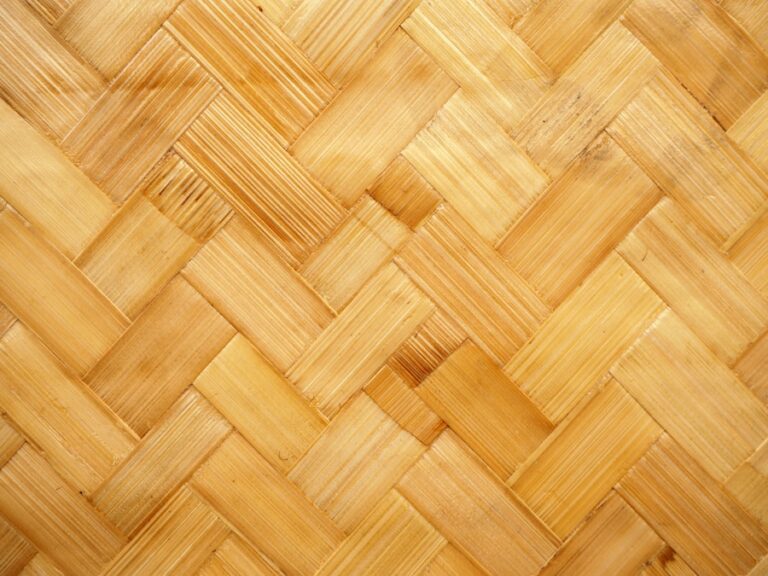
Bamboo, a rapidly renewable resource, is an increasingly popular material for its sustainability, flexibility, and strength-to-weight ratio. It can be used for structural elements, screens, roofing, and decorative finishes. Its hollow structure provides natural insulation, and its rapid growth cycle makes it an environmentally responsible choice. Bamboo’s inherent curves lend themselves to organic and innovative architectural forms.
- Black Bamboo: Prized for its dark color and strength, black bamboo (Bambusa lako) is often used for structural elements, furniture, and decorative screens.
- Gigantochloa apus (Buluh Tali Hitam): A common building bamboo in Bali, known for its long, straight culms and good tensile strength, suitable for framing and joinery.
Roof Thatch: Traditional Aesthetics and Natural Insulation
Traditional Balinese roofs often feature thatch made from palm leaves, such as alang-alang (Imperata cylindrica grass) or ijuk (black palm fiber). Thatch provides excellent thermal insulation, keeping interiors cool in the tropical climate. While requiring maintenance, its aesthetic appeal and natural insulating properties continue to make it a valued roofing material, particularly for resort properties and traditional villas. Modern alternatives like synthetic thatch are available, mimicking the look while offering enhanced durability.
- Alang-Alang Thatch: Made from dried Imperata cylindrica grass, alang-alang offers a rustic, traditional aesthetic and good natural insulation. It requires regular maintenance.
- Ijuk (Black Palm Fiber) Thatch: Derived from the sugar palm tree, ijuk is a darker, more durable thatch option with a distinctive texture. It is often used for temple roofs and high-end villas.
Incorporating Balinese Principles into Modern Design
Beyond material selection, the successful integration of Balinese design requires an understanding of its underlying principles. These principles, rooted in Asta Kosala Kosali and a reverence for the natural world, guide the arrangement of spaces and structures to foster peace and harmony.
Spatial Organization and Orientation (Asta Kosala Kosali)
Asta Kosala Kosali provides a framework for arranging structures and determining optimal orientations based on cardinal directions, topography, and sacred spaces. It emphasizes a multi-pavilion layout, where different functions (living, sleeping, cooking) are housed in separate structures, often arranged around a central courtyard or garden. This approach allows for natural ventilation and creates a sense of openness. Understanding these principles enables thoughtful design that resonates with local customs.
- Cardinal Directions: Emphasis on orienting structures and sacred spaces towards Mount Agung (north-east), considered the most sacred direction, and away from the sea (south), associated with the underworld.
- Zoning: Delineation of different zones within a property – sacred, public, and private – influencing the placement of structures and landscaping.
Indoor-Outdoor Flow and Open-Plan Living
Balinese architecture naturally blurs the lines between interior and exterior spaces. Large openings, sliding doors, and open-air pavilions encourage natural ventilation and provide seamless access to gardens and courtyards. This creates a sense of expansiveness and allows residents to connect with the tropical environment. It avoids rigid compartmentalization, favoring a more fluid experience of space.
- Verandahs and Terraces: Essential transitional spaces that extend living areas outdoors, providing shade and views of the surrounding landscape.
- Open-Air Bathrooms: Integrating outdoor elements into bathing spaces, often featuring natural stone, lush planting, and an open sky.
Landscaping and Water Features
Lush tropical gardens are integral to Balinese design, providing shade, privacy, and visual appeal. Water features, such as ponds, fountains, and infinity pools, are commonly incorporated for their aesthetic beauty, cooling effects, and symbolic significance. The sound of moving water contributes to a serene atmosphere. Landscaping should be conceived as an extension of the architectural design, not an afterthought.
- Tropical Flora: Use of culturally significant plants like frangipani, hibiscus, and heliconia, as well as various palms, to create vibrant and fragrant gardens.
- Reflecting Ponds: Shallow water features that reflect the sky and surrounding architecture, adding a sense of calm and visual depth.
Contemporary Applications and Design Considerations
Integrating traditional Balinese elements into modern property design requires thoughtful planning and an understanding of both local context and contemporary needs. The goal is to create spaces that are both functional and culturally rich.
Integrating Traditional Crafts and Artisanry
Beyond raw materials, Balinese craftsmanship offers a wealth of opportunities for incorporating cultural authenticity. Hand-carved stone statues, intricate timber panels, woven textiles, and traditional pottery can serve as focal points and infuse properties with local character. patronizing local artisans supports heritage skills and ensures the unique identity of each piece. This isn’t just decoration; it’s a connection to centuries of artistic tradition.
- Stone Carvings: Incorporating sculptures of Hindu deities, mythical creatures, or abstract Balinese motifs as decorative elements in gardens, entrances, or interior spaces.
- Wood Carvings: Utilizing intricately carved timber panels, doors, or furniture as artistic statements that showcase local craftsmanship.
- Textiles and Weaving: Employing traditional Balinese fabrics like songket or ikat as upholstery, wall hangings, or decorative accents to add texture and color.
Sustainability and Environmental Responsibility
The use of local and natural materials inherently aligns with sustainable building practices. Further considerations include passive design strategies for natural ventilation and daylighting, rainwater harvesting, solar power integration, and thoughtful waste management. Such approaches demonstrate a commitment to environmental stewardship, aligning with the Balinese philosophical concept of Tri Hita Karana (harmony with God, humanity, and nature).
- Passive Cooling: Designing for natural cross-ventilation, maximizing shade, and utilizing materials with high thermal mass to reduce reliance on air conditioning.
- Rainwater Harvesting: Collecting and storing rainwater for irrigation or non-potable uses, conserving precious water resources.
- Local Sourcing: Prioritizing materials from sustainable local suppliers to reduce carbon footprint and support the regional economy.
Challenges and Opportunities in Implementation
While the integration of Balinese materials offers numerous benefits, several challenges and opportunities are worth considering for a successful project. Addressing these proactively can lead to more robust and authentic designs.
Material Sourcing and Quality Control
Sourcing high-quality local materials requires diligence. Establishing relationships with reputable suppliers and artisans is crucial. Variation in natural materials is inherent; embracing these unique characteristics rather than striving for artificial uniformity can enhance authenticity. Quality control checks at various stages of the procurement process are essential to ensure the longevity and structural integrity of the build.
- Supplier Vetting: Thoroughly researching and visiting potential suppliers to assess their production methods, ethical practices, and consistency in material quality.
- Certification: Inquiring about certifications for timber (e.g., FSC) or other materials to ensure responsible sourcing.
Climatic Considerations and Maintenance
Bali’s tropical climate, characterized by high humidity and heavy rainfall, can impact material durability. Proper construction techniques, such as robust foundations, effective drainage, and appropriate ventilation, are critical to mitigate issues like moisture damage, pest infestation, and material degradation. A sustainable design considers not only initial construction but also long-term maintenance requirements.
- Moisture Management: Implementing effective waterproofing, adequate roof overhangs, and proper ground clearance to protect structures from heavy rain and humidity.
- Pest Control: Utilizing natural pest-resistant materials (e.g., teak) or incorporating discreet, non-toxic pest management solutions.
Balancing Tradition with Modern Functionality
The successful integration of Balinese design does not necessitate a rigid adherence to historical forms. Instead, it involves a thoughtful synthesis of tradition and modernity. This means adapting traditional layouts for contemporary living, incorporating modern amenities discreetly, and ensuring that the overall design meets current building codes and safety standards. The aim is to create spaces that feel both authentically Balinese and entirely functional for today’s user.
- Adaptive Reuse: Finding modern applications for traditional forms, for example, using a pavilion concept for a contemporary open-plan living space.
- Hidden Technologies: Integrating modern conveniences like smart home systems, efficient lighting, and advanced plumbing while maintaining a traditional aesthetic.