The rainy season in Bali brings with it a unique set of challenges for construction projects. From heavy rainfall to increased humidity, builders and developers must be prepared to address these issues in order to ensure the long-term durability and resilience of their structures. The heavy rainfall can lead to erosion, flooding, and water damage, while the increased humidity can create ideal conditions for mold and mildew growth. Understanding these challenges is the first step in successfully navigating the rainy season in Bali.
In addition to the environmental challenges, the rainy season also presents logistical challenges for construction projects. The frequent rain showers can disrupt work schedules and delay construction timelines, leading to increased costs and potential setbacks. It is essential for builders and developers to have a thorough understanding of the challenges posed by the rainy season in Bali in order to effectively plan and execute their construction projects.
Choosing the Right Materials for Building in Bali’s Rainy Season
Selecting the right materials is crucial for building in Bali’s rainy season. It is important to choose materials that are resistant to water damage, such as treated lumber, concrete, and metal roofing. These materials are less susceptible to rot, mold, and corrosion, making them ideal for withstanding the heavy rainfall and increased humidity during the rainy season. Additionally, using materials that are locally sourced can help reduce costs and minimize the environmental impact of construction projects.
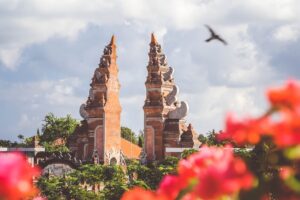
In addition to choosing water-resistant materials, it is also important to consider the aesthetic and cultural aspects of building in Bali. Traditional Balinese architecture often incorporates natural materials such as bamboo, thatch, and stone, which can add a unique and authentic touch to construction projects. By carefully selecting materials that are both durable and culturally appropriate, builders and developers can create structures that are not only resilient but also reflective of Bali’s rich architectural heritage.
Implementing Proper Drainage and Waterproofing Techniques
Proper drainage and waterproofing are essential for mitigating the impact of heavy rainfall during Bali’s rainy season. Effective drainage systems can help prevent erosion, flooding, and water damage by directing excess water away from the construction site. This can be achieved through the use of gutters, downspouts, and grading techniques that channel water away from the foundation of the structure. Additionally, waterproofing techniques such as sealants, membranes, and coatings can help protect vulnerable areas of the building from water infiltration.
Incorporating proper drainage and waterproofing techniques into construction projects requires careful planning and attention to detail. It is important to work with experienced engineers and contractors who understand the unique challenges posed by Bali’s rainy season and can implement effective solutions. By prioritizing proper drainage and waterproofing, builders and developers can minimize the risk of water damage and ensure the long-term durability of their structures.
Scheduling and Planning Around the Rainy Season
Scheduling and planning are critical components of successful construction projects in Bali’s rainy season. It is important to carefully consider the timing of construction activities in order to minimize the impact of heavy rainfall on work schedules. This may involve adjusting timelines, prioritizing indoor work during periods of heavy rain, or implementing flexible scheduling that allows for adjustments in response to changing weather conditions.
In addition to scheduling considerations, it is also important to plan for potential delays and setbacks caused by the rainy season. This may involve building in buffer time into project timelines, securing alternative work sites for outdoor activities, or developing contingency plans for addressing weather-related issues. By proactively scheduling and planning around the rainy season, builders and developers can minimize disruptions and keep construction projects on track.
Utilizing Local Expertise and Knowledge
Local expertise and knowledge are invaluable resources for navigating the challenges of Bali’s rainy season. Working with local architects, engineers, and contractors who have experience building in Bali’s unique climate can provide valuable insights and solutions for addressing environmental challenges. Local experts understand the specific nuances of Bali’s rainy season and can offer practical advice for selecting materials, implementing construction techniques, and planning around weather-related disruptions.
In addition to professional expertise, it is also important to engage with local communities and stakeholders to gain a deeper understanding of the cultural and environmental context of construction projects in Bali. By collaborating with local residents, builders and developers can gain valuable insights into traditional building practices, sustainable construction methods, and community needs. This collaborative approach not only fosters a sense of shared ownership and responsibility but also ensures that construction projects are respectful of local customs and traditions.
Adapting Construction Techniques for Bali’s Unique Climate
Adapting construction techniques for Bali’s unique climate is essential for ensuring the long-term durability and resilience of structures. This may involve incorporating traditional Balinese building methods that have been proven to withstand the challenges of the rainy season, such as raised foundations, steeply pitched roofs, and natural ventilation systems. These techniques are designed to mitigate the impact of heavy rainfall, humidity, and temperature fluctuations while also reflecting the cultural heritage of Bali.
In addition to traditional techniques, modern construction methods can also be adapted to better suit Bali’s unique climate. This may involve using innovative building materials, such as eco-friendly composites or advanced insulation systems, that offer superior resistance to water damage and humidity. By combining traditional wisdom with modern innovation, builders and developers can create structures that are not only resilient but also environmentally sustainable.
Ensuring Long-Term Durability and Resilience in Bali’s Rainy Season
Ensuring long-term durability and resilience in Bali’s rainy season requires a holistic approach that addresses environmental, logistical, cultural, and technical considerations. This may involve conducting thorough site assessments to identify potential risks and vulnerabilities, developing comprehensive construction plans that prioritize water-resistant materials and techniques, and implementing ongoing maintenance strategies to protect structures from weather-related wear and tear.
In addition to proactive planning and construction practices, it is also important to consider the broader impact of construction projects on Bali’s natural environment and local communities. This may involve incorporating sustainable design principles, such as rainwater harvesting systems or green building practices, that minimize resource consumption and support ecological balance. By prioritizing long-term durability and resilience in Bali’s rainy season, builders and developers can create structures that not only withstand environmental challenges but also contribute positively to the local community and ecosystem.
In conclusion, building in Bali’s rainy season presents a unique set of challenges that require careful consideration and proactive planning. By understanding these challenges, choosing the right materials, implementing proper drainage and waterproofing techniques, scheduling and planning around the rainy season, utilizing local expertise and knowledge, adapting construction techniques for Bali’s unique climate, and ensuring long-term durability and resilience, builders and developers can create structures that are not only resilient but also reflective of Bali’s rich cultural heritage. With a thoughtful approach that integrates traditional wisdom with modern innovation, construction projects in Bali can thrive even in the face of heavy rainfall and increased humidity.