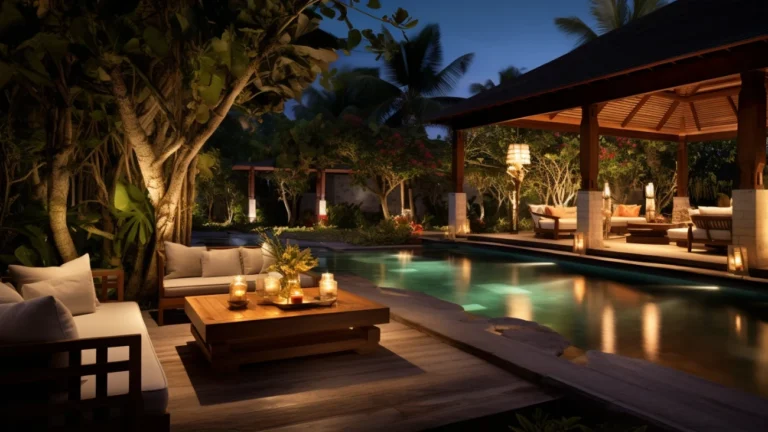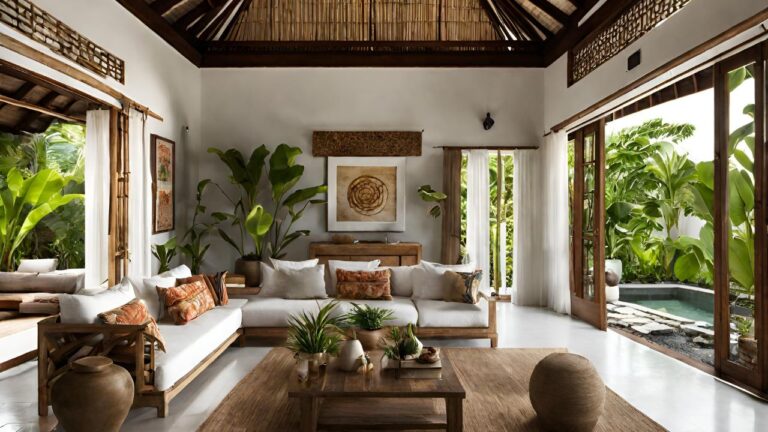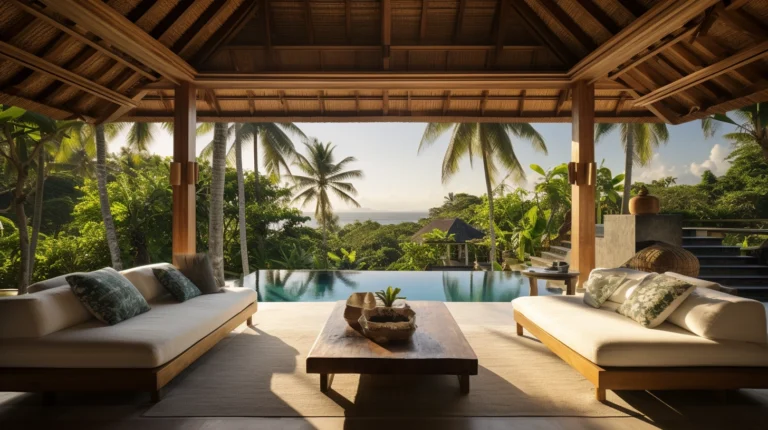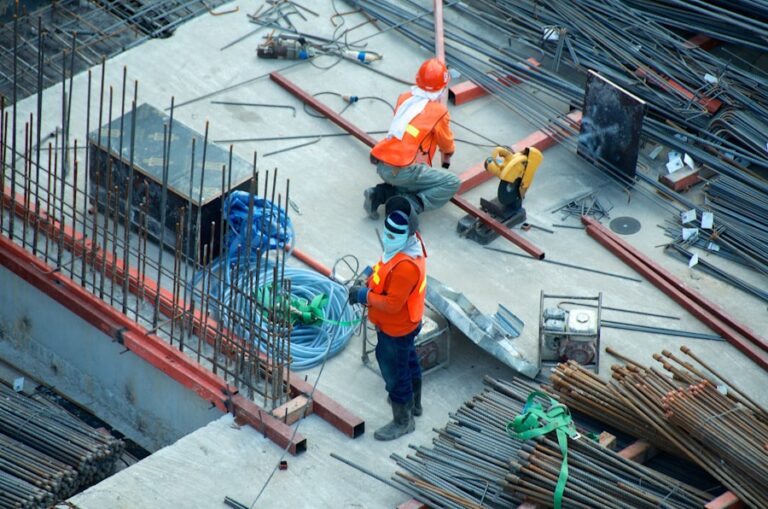
Bali, an Indonesian island, has a distinctive architectural heritage. Over time, this architecture has adapted to indigenous cultural practices, colonial influences, and contemporary global trends. The current trajectory emphasizes sustainable design and innovative construction methods, reflecting a growing awareness of environmental impact and resource management.
Traditional Balinese Architecture: Foundations of Form and Philosophy
Traditional Balinese architecture is deeply rooted in Hindu-Buddhist cosmology and indigenous animistic beliefs. Its principles are codified in the Asta Kosala Kosali, a series of ancient texts that guide building orientation, material selection, and spatial organization. This framework ensures harmonious integration with the natural environment and adherence to spiritual values.
Orientation and Feng Shui Principles
The cardinal directions are paramount in Balinese architectural planning. Buildings are typically oriented towards Mount Agung, the island’s most sacred volcano, or towards the cardinal directions that align with auspicious cosmic energies. This practice, akin to Chinese feng shui, seeks to channel positive energy and protect inhabitants from negative influences. For instance, the family temple ( sanggah or merajan) is usually situated in the northeast, considered the most sacred quadrant.
Materiality: Earth and Nature
Traditional Balinese structures primarily utilize locally sourced materials. These include timber (often teak or bamboo), volcanic stone ( paras), river stones, and natural fibers like alang-alang (a type of thatch) for roofing. The use of these materials minimizes transportation costs and embodies a direct connection to the island’s landscape. The earth itself often forms the foundation, with structures raised on stone plinths to protect against moisture and pests.
Compound Living and Spatial Hierarchy
Balinese family compounds are not single monolithic structures but rather a collection of individual pavilions (bale) arranged around a central courtyard. Each bale serves a specific function, such as sleeping, cooking, or receiving guests. This spatial organization reinforces social hierarchies and allows for flexibility as families grow or shrink. The highest-ranking family members reside in the most auspiciously located bale, typically in the northeast.
Colonial Incursions and Early Modern Adaptations
The arrival of Dutch colonial powers in the 19th and early 20th centuries introduced new architectural styles and building technologies. While traditional principles largely persisted, a gradual hybridization began.
Dutch Colonial Influence
Dutch colonial architecture in Bali primarily manifests in administrative buildings, official residences, and some urban dwellings. These structures often feature elements like large verandas, high ceilings, and neoclassical details, designed to suit the tropical climate while reflecting European tastes. Brick and concrete became more common, alongside techniques for improved ventilation and light.
Pre-Independence Modernism
In the mid-20th century, particularly after Indonesian independence, a nascent modernist movement emerged. Architects began to experiment with reinforced concrete and glass, while still attempting to integrate local aesthetics. This period saw the construction of public buildings and early tourist accommodations that blended functional designs with decorative elements inspired by traditional Balinese carvings and motifs. This was often an architectural translation, rather than a deep philosophical integration.
Post-Independence Growth and Tourism’s Impact
The rise of tourism from the late 20th century onwards significantly altered Bali’s architectural landscape. The demand for accommodation, from sprawling resorts to boutique villas, spurred rapid development and introduced new design paradigms.
The “Balinese Style” Phenomenon
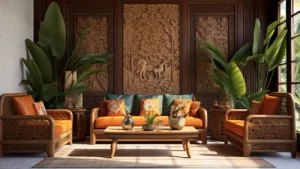
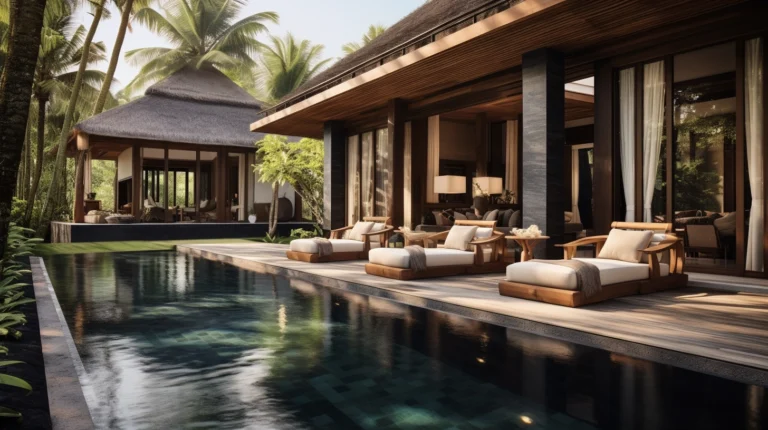
As tourism expanded, a marketable “Balinese style” emerged. This style often synthesizes traditional elements – such as carved timber, thatched roofs, and open-plan living – with Western comforts and amenities. While drawing inspiration from indigenous forms, these structures often prioritize aesthetics for a foreign gaze rather than strict adherence to the Asta Kosala Kosali. This period also saw an increased use of non-local materials and standardized construction methods to meet demand.
Proliferating Resorts and Villas
The island witnessed a proliferation of large-scale resorts and private villas. These developments often occupy significant land parcels, impacting local ecosystems and traditional land use patterns. While many incorporated water features and lush landscaping, the sheer scale of some projects presented challenges to the island’s infrastructure and natural resources. The balancing act between economic growth and environmental preservation became a central tension.
Embracing Sustainable Design Principles
In recent decades, a growing movement towards sustainable design has gained traction in Bali. This shift is driven by increasing environmental awareness, resource depletion, and a desire to preserve Bali’s natural beauty. Sustainable design in Bali often functions as a bridge, connecting traditional wisdom with contemporary ecological concerns.
Passive Design Strategies
Contemporary sustainable architecture in Bali emphasizes passive design strategies to minimize energy consumption. This includes maximizing natural ventilation through open layouts and strategic window placement, incorporating wide overhangs to shade interiors from direct sunlight, and utilizing thermal mass materials like stone or concrete to regulate indoor temperatures. The revival of traditional techniques such as raised floors and natural cooling systems demonstrates a return to climate-responsive solutions.
Local Materials and Craftsmanship Revival
There is a renewed focus on using locally sourced, renewable, and low-impact materials. Bamboo, an rapidly renewable resource, has become a prominent material in innovative structural and aesthetic applications. Recycled timbers, reclaimed stones, and natural fibers are also favored. This also supports local economies and traditional craftsmanship, providing an alternative to imported and manufactured building components.
Water and Waste Management
Sustainable projects often integrate sophisticated water management systems. Rainwater harvesting, greywater recycling, and the use of biofilters for wastewater treatment are becoming more common. Waste reduction strategies, including on-site composting and the use of recycled materials in construction, contribute to a circular economy model. These efforts aim to alleviate pressure on Bali’s finite water resources and reduce landfill burden.
Biophilic Design Integration
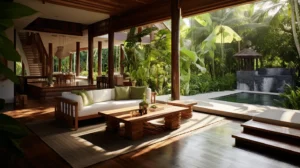
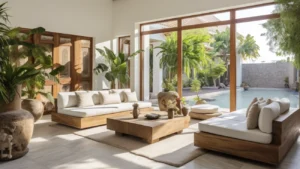
Biophilic design, which incorporates natural elements and processes into built environments, is gaining prominence. This approach seeks to connect inhabitants with nature, promoting well-being and reducing stress. Examples include integrating lush tropical gardens into interior spaces, using natural light and ventilation, and designing structures that blend seamlessly with the surrounding landscape. The aim is to create environments where the boundary between indoor and outdoor blurs, reflecting Bali’s intrinsic connection to nature.
Innovation in Balinese Architecture: A Forward Trajectory
Beyond adaptation, Bali is becoming a hub for architectural innovation, pushing the boundaries of sustainable design and construction. Architects and designers are experimenting with new technologies and materials while honoring the island’s rich heritage.
Bamboo as a Structural and Aesthetic Medium
Bamboo, often referred to as “green steel,” is at the forefront of this innovation. Architects are employing advanced engineering techniques to utilize bamboo not just for decorative purposes, but as a primary structural element in large-scale buildings. Projects like the Green School and various eco-resorts showcase bamboo’s versatility, strength, and aesthetic appeal. This involves treating bamboo against pests and moisture to ensure longevity, and developing sophisticated joinery techniques. The creation of complex, organic forms using bamboo demonstrates its potential as a sustainable building material for the 21st century.
Permaculture and Integrated Design
Some innovative projects are integrating architectural design with permaculture principles. This involves designing buildings and their immediate surroundings as self-sustaining ecosystems, incorporating edible gardens, natural water filtration systems, and waste-to-resource loops. The architecture becomes a component of a larger, interconnected system designed for ecological resilience and productivity. This holistic approach ensures that human habitation contributes positively to the environment rather than depleting it.
Digital Fabrication and Traditional Craft Fusion
Another innovative trend involves the fusion of digital fabrication techniques with traditional Balinese craftsmanship. Architects are using parametric design software and CNC milling to create complex geometries and intricate patterns, which are then executed by local artisans using traditional materials and tools. This hybridization allows for precision and efficiency while preserving cultural identity and supporting local skills. It represents a dialogue between ancient wisdom and cutting-edge technology.
Community-Centric and Regenerative Architecture
A growing number of projects prioritize community engagement and regenerative design. This involves working closely with local communities to develop designs that address their needs, respect their cultural practices, and regenerate local ecosystems. The focus extends beyond minimizing harm to actively improving environmental and social conditions. This type of architecture seeks to restore ecological balance and foster social equity, positioning buildings as catalysts for positive change.
In conclusion, Bali’s architectural evolution is a dynamic process. From its deep roots in Hindu-Buddhist philosophy and local materials to its engagements with colonial influences and global tourism, the island’s built environment has continually adapted. The current emphasis on sustainable design and innovation represents a critical juncture. It is a movement towards designs that respect the island’s ecological limits, celebrate its cultural heritage, and leverage technological advancements to create a more resilient and harmonious future. This ongoing transformation positions Bali not just as a repository of tradition, but as a living laboratory for sustainable architectural practice.