Strategic Layouts for Compact Footprints
When designing a small villa in Bali, the architect’s primary canvas is a limited plot of land. The strategic layout of spaces is the first crucial step to ensure both functionality and a sense of openness. Think of the footprint of your villa not as a constraint, but as a puzzle to be solved with precision and foresight. Success hinges on maximizing every square meter, transforming perceived limitations into opportunities for innovative design. This involves a shift in perspective, moving away from the traditional sprawl often associated with tropical homes and embracing a more considered, efficient approach.
Optimizing Flow and Circulation
The circulation within a small villa is akin to the nervous system of a body, dictating how easily inhabitants move and interact with their environment. A well-designed circulation plan prevents bottlenecks and ensures that even confined areas feel expansive.
The Importance of Open-Plan Living
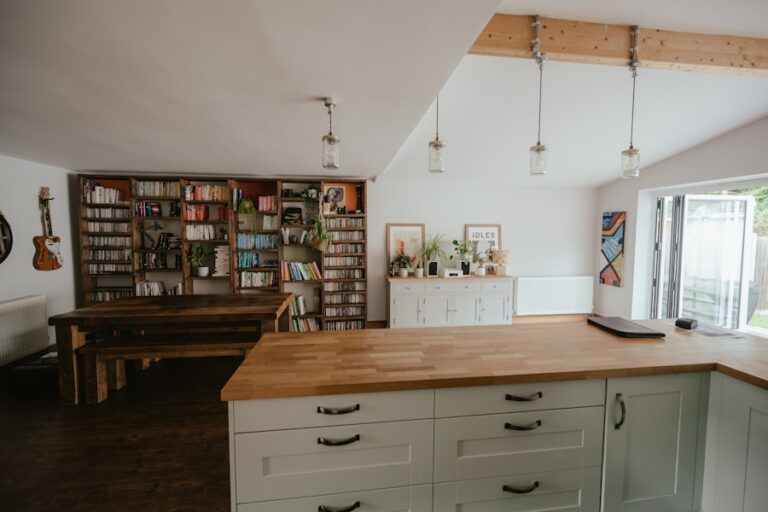
Open-plan living areas are not merely a trend; they are a fundamental tool for maximizing space in smaller dwellings. By eliminating unnecessary internal walls, a sense of greater volume is created, allowing natural light to penetrate deeper into the structure. This fosters a more connected and communal living experience, where the kitchen, dining, and living areas seamlessly blend. Consider how the removal of a single wall can transform a collection of cramped rooms into a flowing, airy expanse.
Creating Visual Continuities
Visual continuity is achieved through consistent material palettes, floor finishes, and ceiling heights across adjacent spaces. This creates an unbroken visual line that deceives the eye into perceiving a larger area than what actually exists. When moving from the living room to a dining nook, for instance, using the same flooring material provides a subtle but significant psychological expansion.
Zoning with Furniture and Finishes
While open-plan living is beneficial, distinct zones for different activities are still necessary. These can be subtly defined through the strategic placement of furniture, area rugs, or variations in wall finishes and lighting. A well-placed sofa can act as a visual divider for a living area, while a change in pendant lighting can delineate a dining space. These are not rigid boundaries, but rather suggestions that guide the inhabitant’s experience of the space.
Verticality as a Space-Saving Ally
In areas where horizontal expansion is restricted, looking upwards becomes essential. Verticality offers a powerful solution to expand living areas without encroaching on the valuable ground floor. This perspective allows you to add layers of functionality and aesthetic appeal.
Lofts and Mezzanines for Versatility
Incorporating lofts or mezzanines can introduce secondary living spaces, sleeping areas, or dedicated home offices without requiring a larger physical footprint. A well-designed mezzanine overlooking a living area can provide a cozy retreat or a functional study, doubling the usable space in a single-story villa. The key is to ensure adequate head height and easy access, typically through a well-proportioned staircase.
Multi-Functional Vertical Storage Solutions
Rather than traditional bulky wardrobes and shelving units, opt for integrated, floor-to-ceiling storage solutions. These can be built into walls, cleverly disguised as decorative elements, or designed with sliding panels to conceal clutter. Think of your walls not just as structural elements, but as fully integrated storage systems, ready to absorb the necessities of daily life.
Elevated Patios and Rooftop Terraces
Extending living space vertically can also involve creating elevated outdoor areas. Balconies, covered patios on upper levels, or even a fully functional rooftop terrace can provide additional areas for relaxation, entertainment, or simply enjoying the Balinese climate. These become extensions of your indoor living, offering a breath of fresh air and a different perspective.
The Art of Integrated and Multifunctional Furniture
In small villas, furniture is not just for sitting or resting; it is an active participant in space optimization. Selecting pieces that serve multiple purposes is a cornerstone of efficient design.
Convertible and Transformable Pieces
Invest in furniture that can easily transform. Sofa beds, extendable dining tables, nesting coffee tables, and ottomans with hidden storage are excellent examples. These items are the chameleons of interior design, adapting to the needs of the moment. A dining table that can expand to accommodate guests, then shrink to its original size to save space, is an invaluable asset.
Built-In Furniture for Seamless Integration
Built-in seating with integrated storage, under-bed drawers, and custom-designed banquettes are excellent ways to maximize space and create a harmonious look. These elements become an intrinsic part of the villa’s architecture, eliminating the visual clutter that freestanding furniture can create. Picture a banquette seat in your kitchen nook, not only providing seating but also concealing a treasure trove of storage.
Scale and Proportion of Furnishings
Choosing furniture that is appropriately scaled to the size of the rooms is critical. Oversized pieces will overwhelm a small space, making it feel even more cramped. Opt for sleek, streamlined designs with thinner profiles. Think of a sofa with visible legs, which creates a sense of airiness compared to a solid, floor-hugging model.
Embracing Natural Light and Strategic Illumination
Light, both natural and artificial, plays a pivotal role in how we perceive space. Maximizing natural light can make even the smallest villa feel vast, while thoughtful artificial lighting can enhance its ambiance and functionality.
Maximizing Natural Light Influx
Large windows, glass doors, and strategically placed skylights are essential for drawing in as much natural light as possible. Consider the orientation of your villa to take advantage of the sun’s path throughout the day. Light is your most potent, and cost-effective, tool for expanding perceived space.
The Power of Reflective Surfaces
Mirrors, polished finishes, and light-colored materials can significantly amplify natural light. A well-placed mirror opposite a window can effectively double the light entering a room. These are not just decorative elements but active participants in the manipulation of light.
Layered Artificial Lighting Strategies
Beyond a single overhead light, implement a layered lighting strategy. Ambient lighting provides general illumination, task lighting focuses on specific activities, and accent lighting highlights architectural features or decorative elements. This creates depth and dimension, preventing the space from feeling flat and uninviting, especially after sunset.
Biophilic Design: Connecting Indoors and Outdoors
Bali’s allure lies in its lush tropical environment. Integrating biophilic design principles allows you to bring the outdoors in, expanding your living space visually and experientially.
Seamless Indoor-Outdoor Transitions
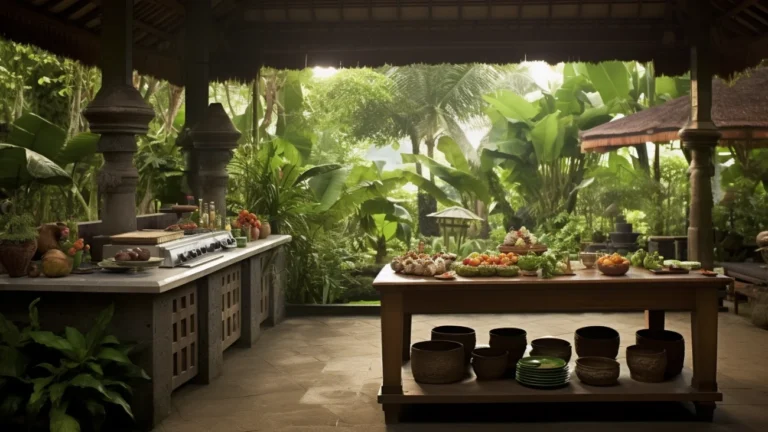
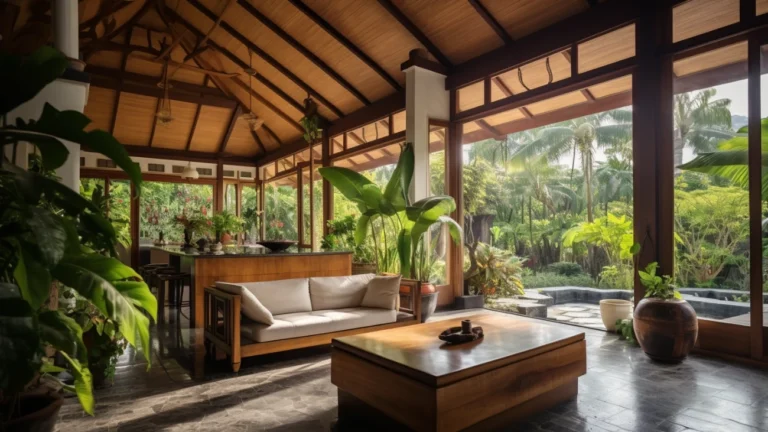
Biophilic design often involves creating seamless transitions between indoor and outdoor areas. Retractable glass walls, large sliding doors, and covered verandas blur the lines between these zones, effectively extending your living space into the tropical landscape. The garden becomes an extension of your living room, and the patio a natural dining area.
Incorporating Greenery and Natural Elements
Strategically placed indoor plants, living walls, and the use of natural materials like wood, stone, and bamboo create a strong connection to nature. These elements introduce life and texture, contributing to a sense of spaciousness and well-being. A carefully chosen indoor tree can act as a natural focal point, drawing the eye upwards and outwards.
Courtyards and Open-Air Vistas
Even within a small footprint, a small internal courtyard or an open-air atrium can introduce a private slice of the outdoors into the heart of your villa. These elements provide natural light and ventilation while offering captivating, ever-changing vistas.
The Balinese Aesthetic of Openness
Traditional Balinese architecture often embraces openness, with pavilions and living areas designed to be naturally ventilated and connected to their surroundings. This philosophy can be adapted for smaller villas, emphasizing verandas, breezeways, and open-air bathrooms where appropriate, creating a sense of expansive living within a compact structure.